
Animalia Exotica
ModAdds animals to the world.
- Security
- Passed
- Privacy
- None found
- Runs on
- Client and server
- Loaders
- Forge, NeoForge
- Minecraft versions
- Up to 1.21.1
Why gradeC
How grades workStrengths
Points lost
- No source code link−7 points
- First release only 5 months ago−5 points
- Under 5 million downloads−1 point
All 11 criteria
Maintenance
Full points21 / 21Last releaseHow long ago the newest file came out, or an existing file was marked as working on a new Minecraft version.7 weeks ago (7 Sep 2026) 12 / 12Supports popular versionsWhether the project has a file for a Minecraft version that 15% or more of the popular mods updated in the last 6 months also support. A version many modpacks use, like 1.20.1 or 1.21.1, also counts after a release in the last 12 months.1.21.1 on NeoForge, 1.20.1 on Forge. 65% of the 993 popular NeoForge mods updated in the last 6 months also have files for 1.21.1. Latest Minecraft: 26.3. 9 / 9Regular releasesIn how many of the last 24 months a new file came out. Full points at 8 months.Does not apply. The project is under 6 months old.Stability
Full points15 / 15Removed from modpacksHow many modpacks removed it in a later version of the pack. We can only see this in modpacks with two or more versions. A pack that swaps it for another edition of the same project, or that is rebuilt from scratch, does not count.2 of the 10 modpacks with two or more versions removed it in a later one (20%) 10 / 10Quick fixesHow often a release needed a quick fix: a new release within 3 days to fix a problem in it.Does not apply. The project is under 6 months old.Known conflictsHow many projects say they do not work with it, compared with how widely it is used. Packs, small projects, forks, ports, add-ons, alternatives and old versions do not count.None 5 / 5Transparency
7 points lost3 / 10Source codeWhether the project page links to its source code, so anyone can read what it does.No link on the project page 0 / 7Place to report problemsWhether the project page links to a place where players can report problems: an issue tracker.GitHub issues · Y221-GG/Animalia 3 / 3Popularity
1 point lost3 / 4DownloadsDownloads on Modrinth and CurseForge. Full points from 5 million.17,448 3 / 4Track record
5 points lost3 / 8AgeHow long the project has existed. It counts less when no new file came out recently.5 months, 10 releases 3 / 8Security
PassedFile checksThis check adds no points. It can only take points away.Our checks found nothing harmful in both latest files for recent Minecraft versions. See Security
44.6 of the 58 points that apply = 77 out of 100. The points above are rounded to whole numbers.
Images


About
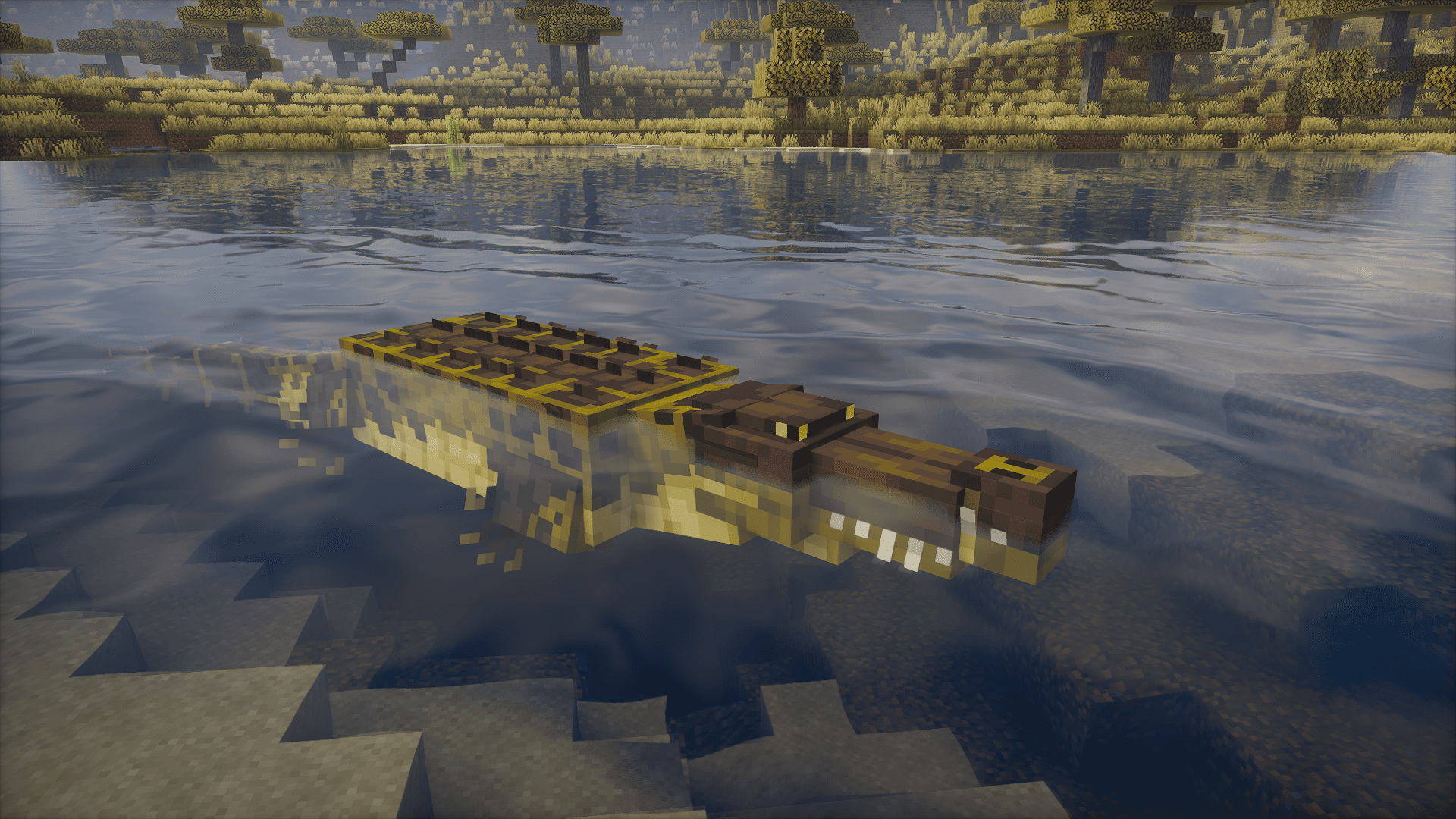
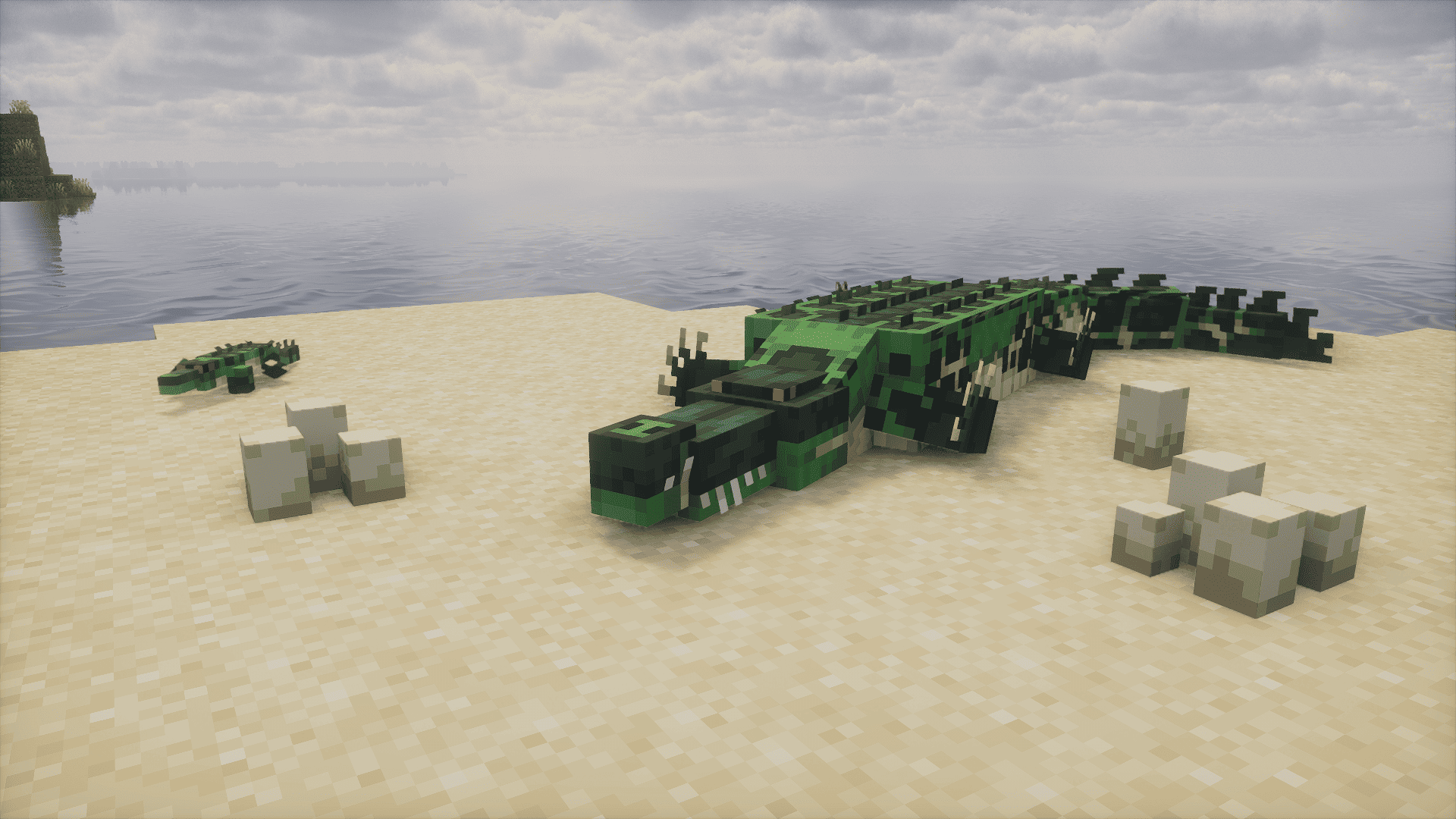
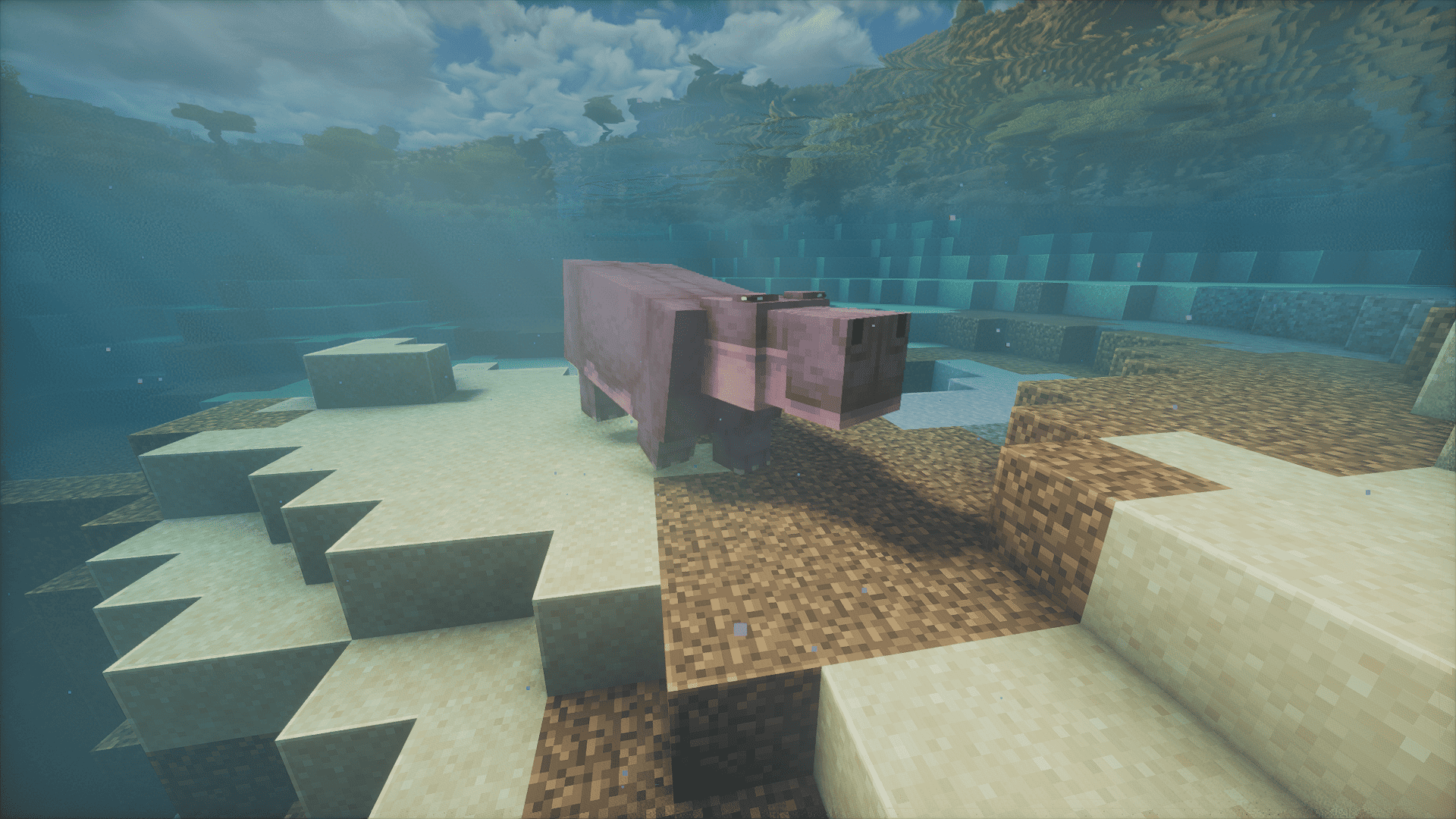
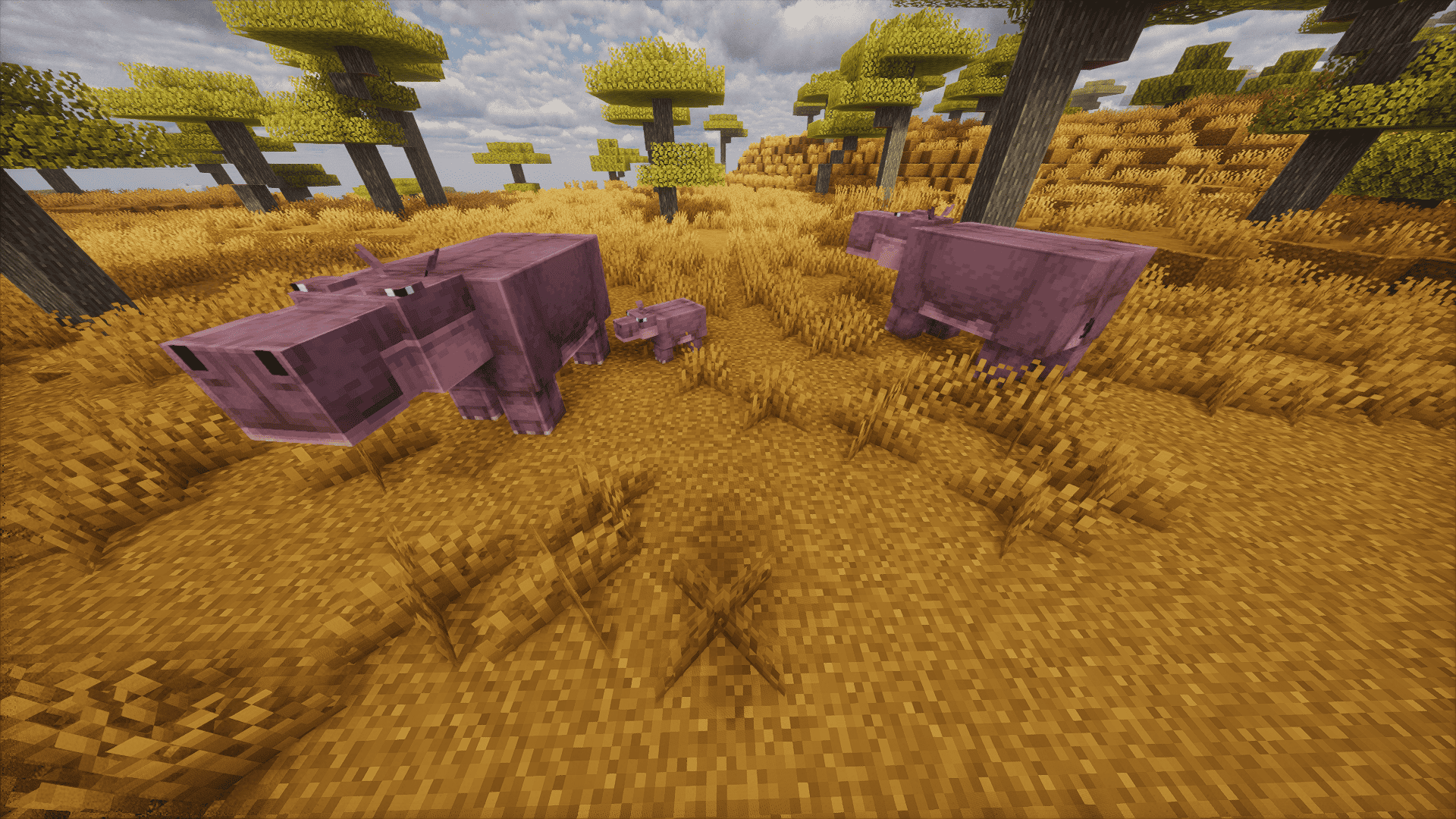
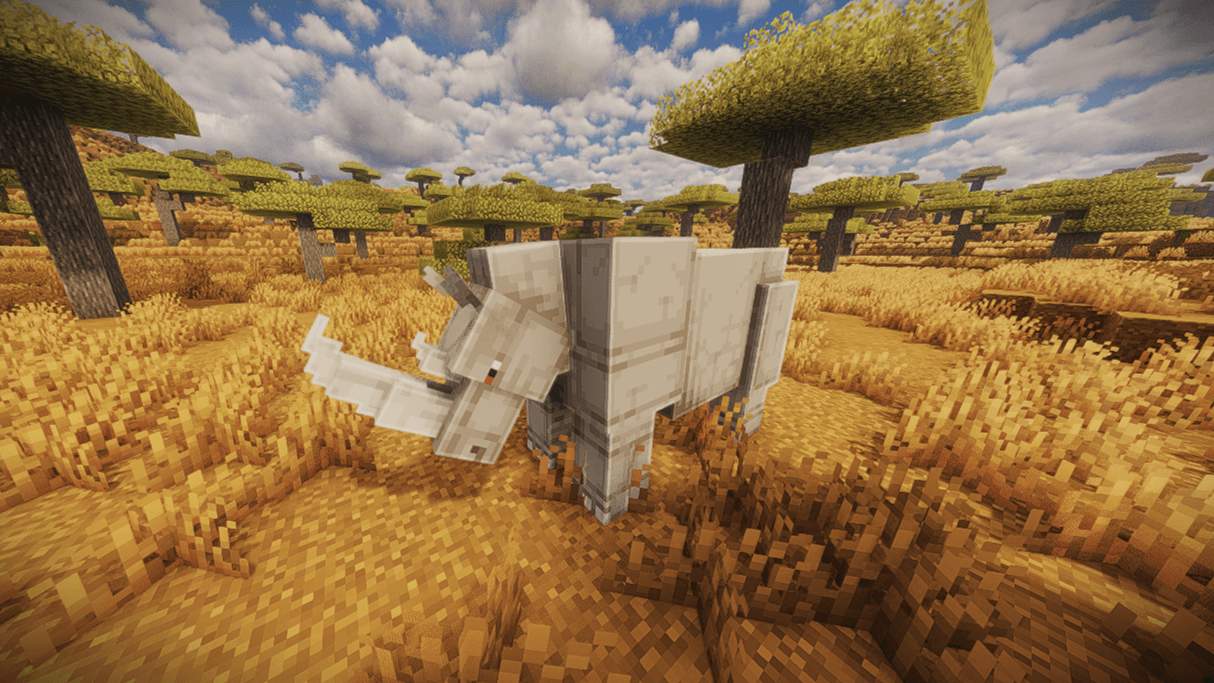
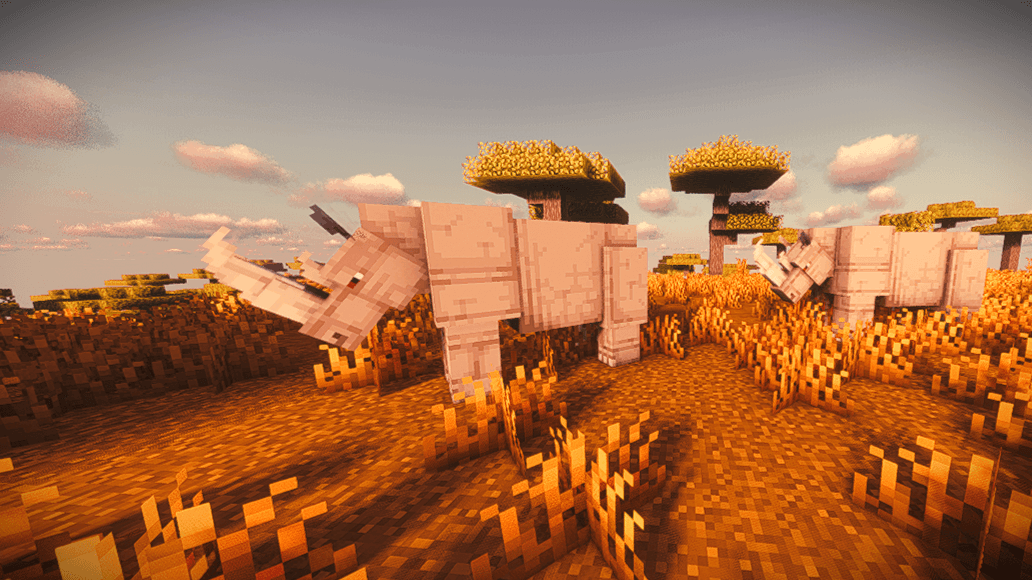
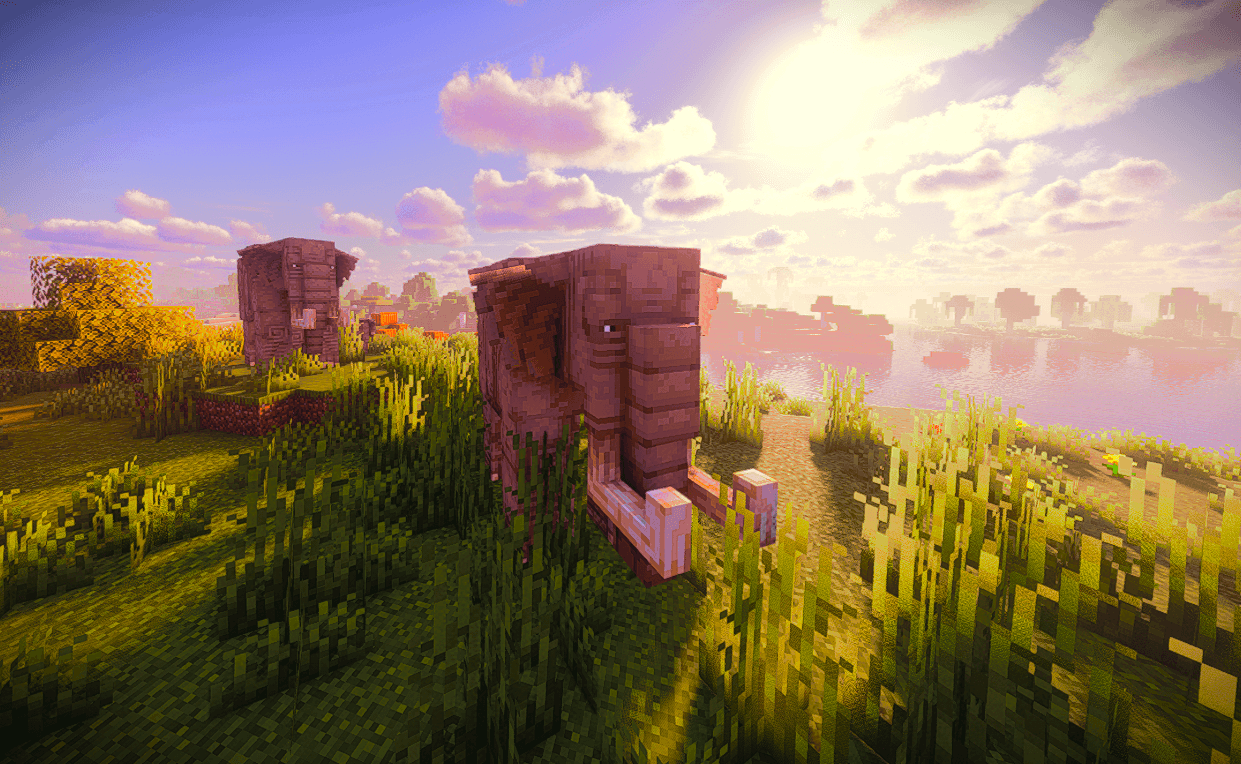
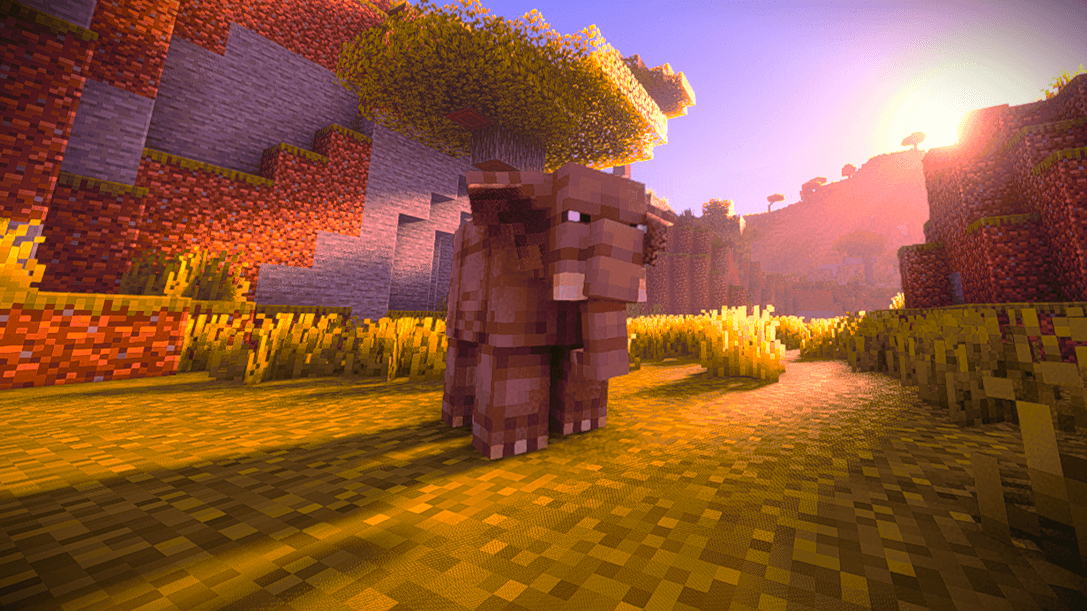
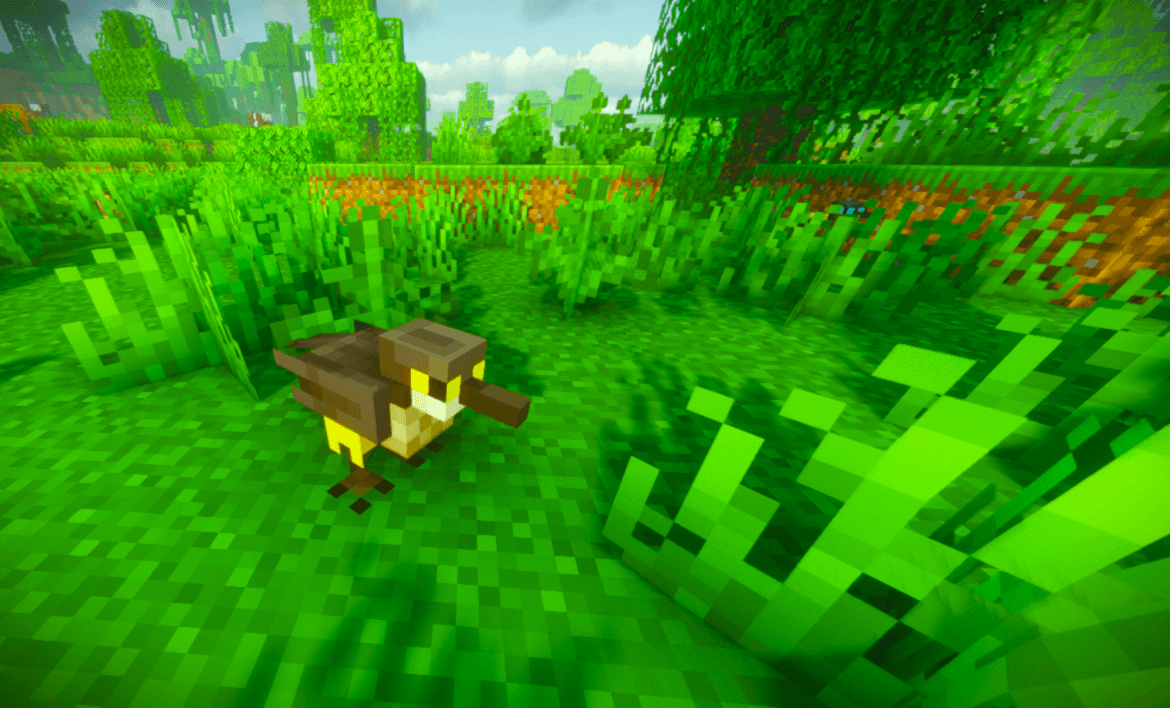
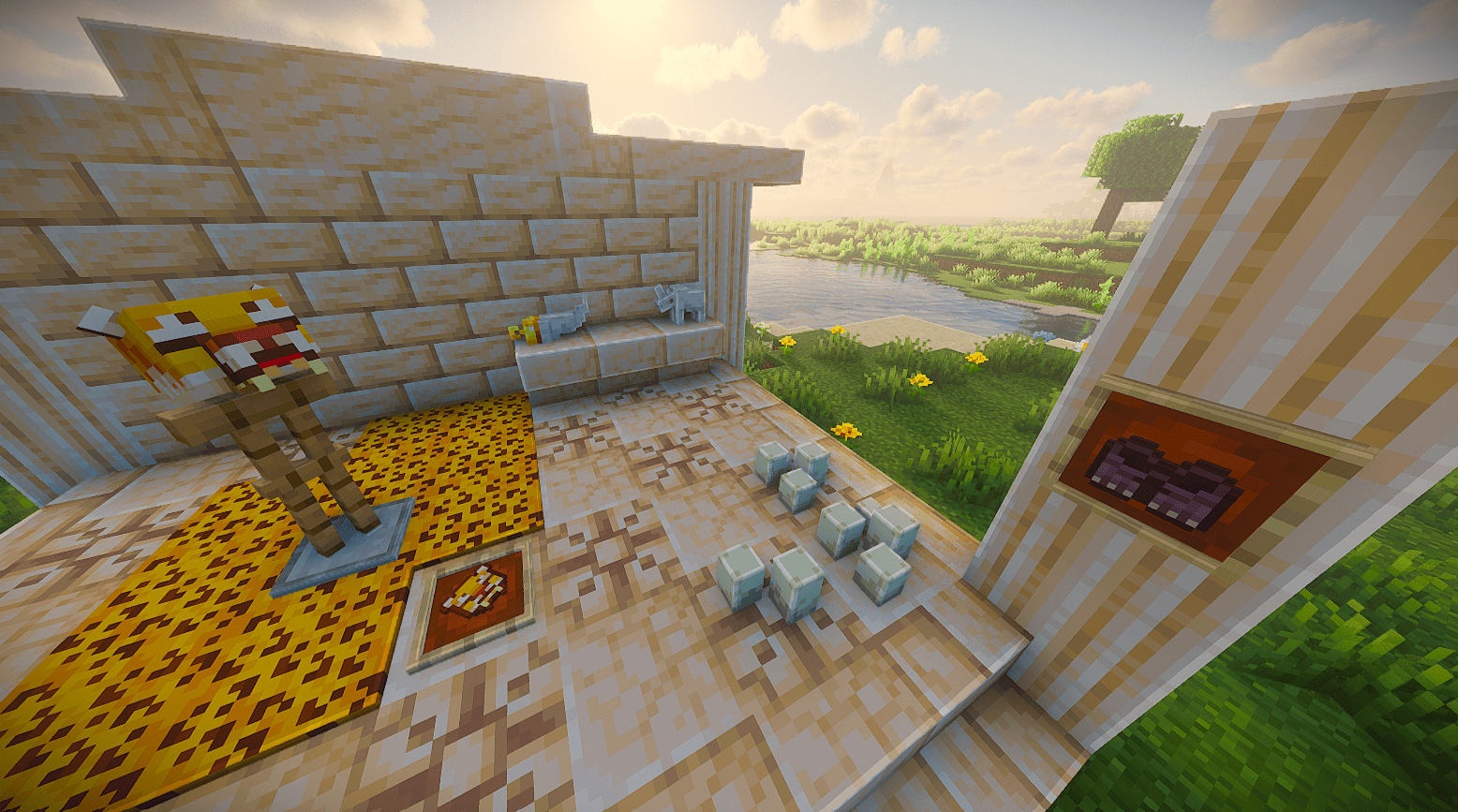
Animalia adds wildlife designed to make Minecraft’s world feel more alive while fitting the look and atmosphere of vanilla play. Its roster includes Elephants, Moho, Jaguars, Hippopotamuses, Rhinoceroses, and Crocodiles, with adults, young animals, and family relationships shaping how creatures behave. Elephants travel in savanna herds, warn unfamiliar players before attacking, forage for food, and can build lasting trust with players who offer hay; adults defend calves and share aggression with their herd. Their combat uses tusk strikes, trunk attacks, and damaging stomps, while their trunk visibly handles food and their stomps leave temporary ground cracks and create nearby camera shake. Elephant tusks can be harvested for Ivory, which is used to craft a broad building set including bricks, stairs, slabs, walls, polished blocks, a pylon, and a figurine; removed tusk segments gradually regrow. Moho are peaceful jungle birds that fly as adults but remain ground-bound as chicks, and they can be bred with sugar or honey to lay clutches of eggs that incubate before hatching. Jaguar and Hippopotamus drops also provide distinctive equipment: the Jaguar Pelt Cape grants a jump boost, the Pelt Carpet prevents fall damage, and Hippopotamus Pelt Boots let players walk along underwater bottoms at land speed. Hippopotamuses can be pacified and remember multiple players, while bottled sweat provides fire resistance and the Antiseptic effect, which reduces fire and poison damage and slows oxygen loss underwater. Natural spawning can be enabled or disabled separately for each Animalia animal, with habitat spawn weights configurable individually.
Written from Modrinth and CurseForge . How we write it
In-game changes
Changes the game's code in 2 areas: PlayerChanges 1 game code file in this area: your character: movement, abilities, hunger and controls. and Mobs and their behaviorChanges 1 game code file in this area: mobs, animals, villagers, projectiles and how they move and act..
Adds:
- 21 blocksChiseled Ivory Bricks, Crocodile Egg, Decorated Rhinoceros Horn, Ivory Elephant Figurine, Block of Ivory, Ivory Brick Slab, Ivory Brick Stairs, Ivory Brick Wall and 13 more. Blocks with their own name, checked against the block files.
- 6 mobsCrocodile, Elephant, Hippopotamus, Jaguar, Moho and Rhinoceros. Creatures with their own name and a spawn egg or drops of their own.
- 3 paintingsCarolus Linnaeus, Charles Darwin and Jaguar In The Jungle.
- 37 recipes
- 32 advancements
- 5 loot tables
- 46 sounds
Counted from the files of the mod. Content made only in its code is not counted.
Keeps all of vanilla Minecraft's textures, models and sounds.
Details
- License
- All rights reserved
- Downloads
- 17K
- Created
- 7 Jun 2026
- Official pages
- Modrinth , CurseForge
Security
No harmful code found
We checked its files and read their code, without running it.
What it can do on your computer
- Creates settings files
- The mod keeps its settings in the config folder of your game, where you can change or delete them.
Why we show this: a mod runs on your computer like any program, so harmful code in it can take your accounts or files. Our checks look for known signs of harm. They cannot prove that a file is harmless. In the grade: malware means no grade, and a Warning in a latest file for a recent Minecraft version lowers it.
How we checked
- FilesWe download the files from Modrinth or CurseForge and look at what is inside them and what their code can do, without running them. Fixed rules tell what is harmful.2 latest files: the newest file for each Minecraft version and loader. Both are for recent versions. Recent versions: those released in the last 2 years, plus 1.20.1 and 1.21.1, among the most played in modpacks. See each file in Releases
- Their codeWe turn the code of the files back into readable code and follow what it does, without running it. This shows what it downloads, what it sends and where your login goes.Read without running it
- Author on ModrinthThe disclosure form on Modrinth, where the author declares that the project reads or edits things on your system outside the game. Since 13 Aug 2026, Modrinth's rules require it when this applies.Nothing declared about your system outside the game.
- Looked for, not foundWe looked for these in the file and did not find them.The internet, folders outside the game, other programs, updating itself, the webcam or microphone, an AI service.
Privacy
We found nothing it sends
We read its code without running it: it contacts no web address while you play.
Why we show this: a mod can send things about you over the internet, like your player name or your login. Contacting an address to check for updates or download files sends nothing about you. Not in the grade: sending data can be normal for what a mod does.
How we checked
- Files readWe read the code without running it. We list each web address the code contacts while you play, and what it sends. Code that is never used is left out.The code of both files, for recent Minecraft versions. See each file in Releases
- Author on ModrinthThe disclosure form on Modrinth, where the author declares crash reports, usage data and advertisements. Since 13 Aug 2026, Modrinth's rules require it when a project collects data on its users or shows advertisements.Nothing declared about crash reports, usage data or advertisements.
AI
No sign so far that AI was used to make it
We looked for AI tools in its texts, files, images and sounds and found none.
We have not read its code history yet.
No sign of AI in the game
We found no AI service, AI library or AI model file in its code.
Why we show this: some players and servers avoid projects made with AI, and AI in the game can send what you write to an online service. Not in the grade: using AI does not tell whether a project works well or is kept up to date.
How we checked
- Author on ModrinthThe disclosure form on Modrinth. Since 13 Aug 2026, Modrinth's rules require it when a substantial part of the code is AI output, when an asset is mainly AI output, or when the project or its page relies on generative AI.No AI content or AI features declared.
- Code historyThe public code on GitHub: who made each change, credit lines such as "Co-authored-by", and its files.Not read yet
- Description and changelogsThe description, project page and newest changelogs: sentences saying an AI tool was used, and text pasted from an AI chat.Nothing found4 of 24 changelogs read
- Its filesFiles that AI coding tools leave behind (like AGENTS.md), and the texts inside the files you download.Nothing found
- Images in its filesHidden data in the images of the files you download, where AI image tools write their name and settings.Nothing found104 images read
- Sounds in its filesThe tags of the sound files in the files you download, where some AI music tools write their name.Nothing found40 of 143 sounds read
- Code of the modThe code and files of the mod, read without running it: addresses of AI services, AI libraries, AI model files and a place for your own AI key.No AI service, AI library or AI model file228 code files read
Compatibility
See all 10 filesPoint at or tap a version to see its loaders.

Modpacks using this project
Find modpacks with itModpacks that include Animalia Exotica in at least one of their versions, most downloaded first.
 BeyondHorizons1.9K downloadslast version with it 23 Aug 2026
 Echoes of Kaepora1.6K downloadslast version with it 16 Oct 2026
 Modernia Horizons1.2K downloadslast version with it 28 Sep 2026
 ChillLife - ByLupin927 downloadslast version with it 19 Oct 2026
 Arcadia Legacy of Magic472 downloadslast version with it 5 Sep 2026
 Shards Of Eden428 downloadslast version with it 26 Sep 2026
 Eclipse Protocol - IGS337 downloadslast version with it 4 Oct 2026
 Wild County - Explore The West294 downloadslast version with it 20 Oct 2026
 Catastrophy RPG114 downloadslast version with it 17 Oct 2026
 Ashen adventure25 downloadslast version with it 25 Oct 2026
Latest files
The newest file for each Minecraft version and loader. The files for recent versions come first. Recent versions: those released in the last 2 years, plus 1.20.1 and 1.21.1, among the most played in modpacks.