
Sengoku Jidai Mod
ModExplore a world inspired by Japanese history, culture, and mythology.
- Security
- Passed
- Privacy
- Not read yet
- Runs on
- Client and server
- Loaders
- Fabric
- Minecraft versions
- Minecraft 1.21.1
Why gradeC
How grades workStrengths
Points lost
- No source code link−7 points
- Releases replaced within 3 days to fix a problem−3 points
- No public issue tracker−3 points
- Under 5 million downloads−1 point
- First release only 10 months ago−1 point
All 11 criteria
Maintenance
Full points27 / 27Last releaseHow long ago the newest file came out, or an existing file was marked as working on a new Minecraft version.8 weeks ago (1 Sep 2026) 12 / 12Supports popular versionsWhether the project has a file for a Minecraft version that 15% or more of the popular mods updated in the last 6 months also support. A version many modpacks use, like 1.20.1 or 1.21.1, also counts after a release in the last 12 months.1.21.1 on Fabric. 53% of the 721 popular Fabric mods updated in the last 6 months also have files for 1.21.1. Latest Minecraft: 26.3. 9 / 9Regular releasesIn how many of the last 24 months a new file came out. Full points at 8 months.Releases in 9 of the last 24 months 6 / 6Stability
3 points lost19 / 22Removed from modpacksHow many modpacks removed it in a later version of the pack. We can only see this in modpacks with two or more versions. A pack that swaps it for another edition of the same project, or that is rebuilt from scratch, does not count.None of the 10 modpacks with two or more versions removed it 10 / 10Quick fixesHow often a release needed a quick fix: a new release within 3 days to fix a problem in it.6 of its 28 releases in 2 years needed a quick fix (21%) See the 6 releases4 / 7Known conflictsHow many projects say they do not work with it, compared with how widely it is used. Packs, small projects, forks, ports, add-ons, alternatives and old versions do not count.None 5 / 5Transparency
10 points lost0 / 10Source codeWhether the project page links to its source code, so anyone can read what it does.No link on the project page 0 / 7Place to report problemsWhether the project page links to a place where players can report problems: an issue tracker.No link to report problems 0 / 3Popularity
1 point lost3 / 4DownloadsDownloads on Modrinth and CurseForge. Full points from 5 million.130,117 3 / 4Track record
1 point lost7 / 8AgeHow long the project has existed. It counts less when no new file came out recently.10 months, 23 releases 7 / 8Security
PassedFile checksThis check adds no points. It can only take points away.Our checks found nothing harmful in the latest file for recent Minecraft versions. See Security
55.8 of the 71 points that apply = 79 out of 100. The points above are rounded to whole numbers.
Images

About
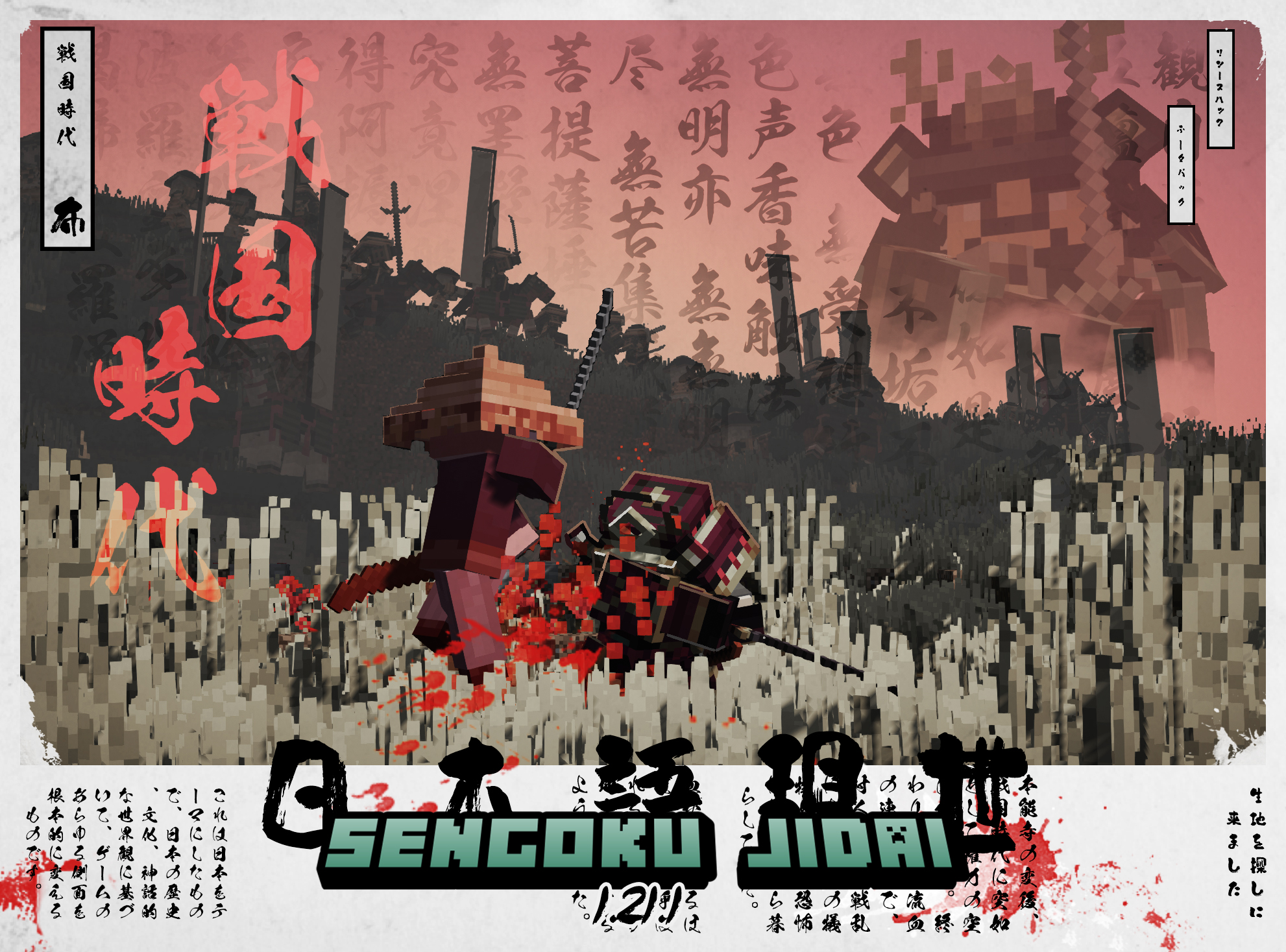
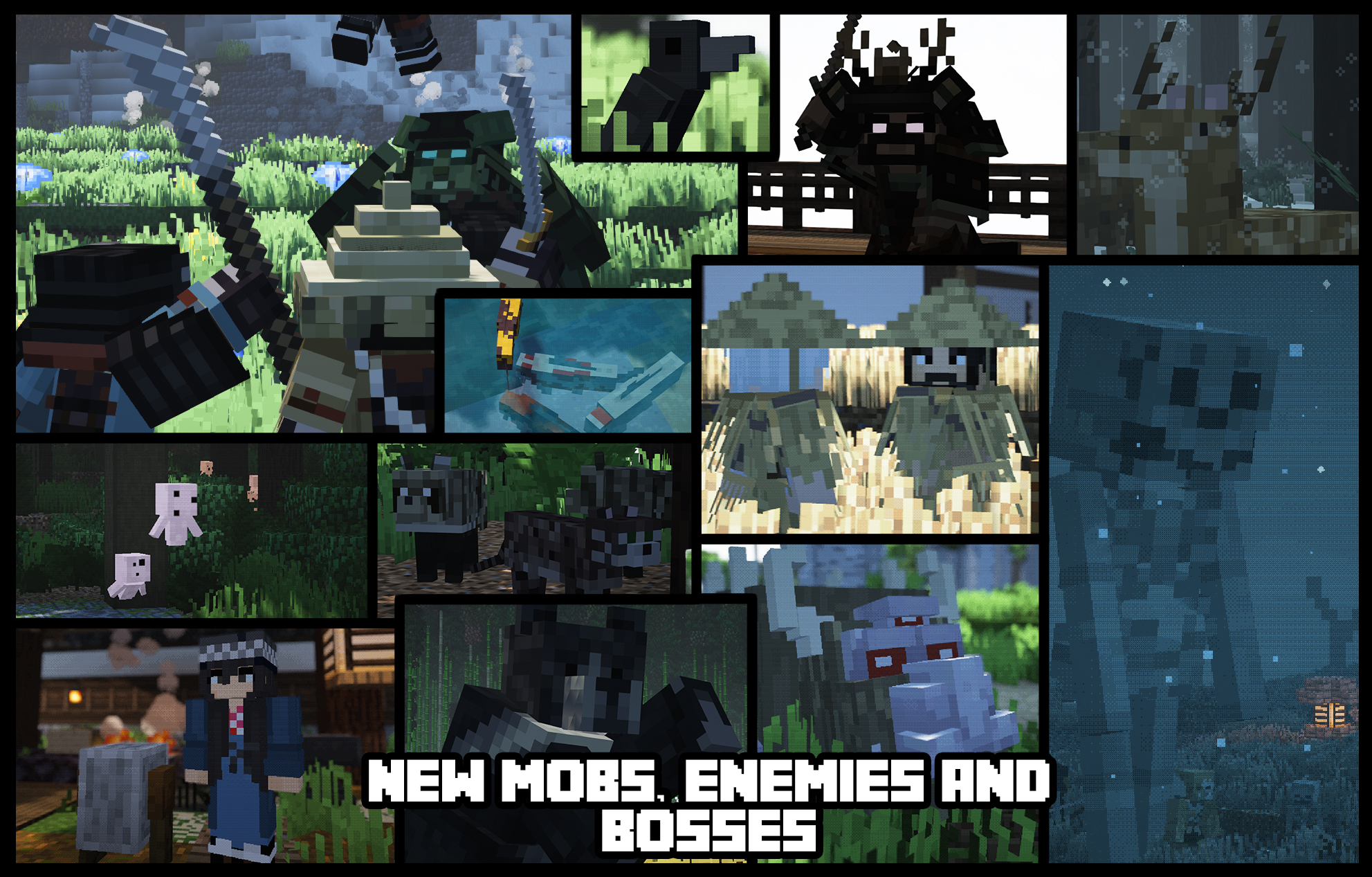
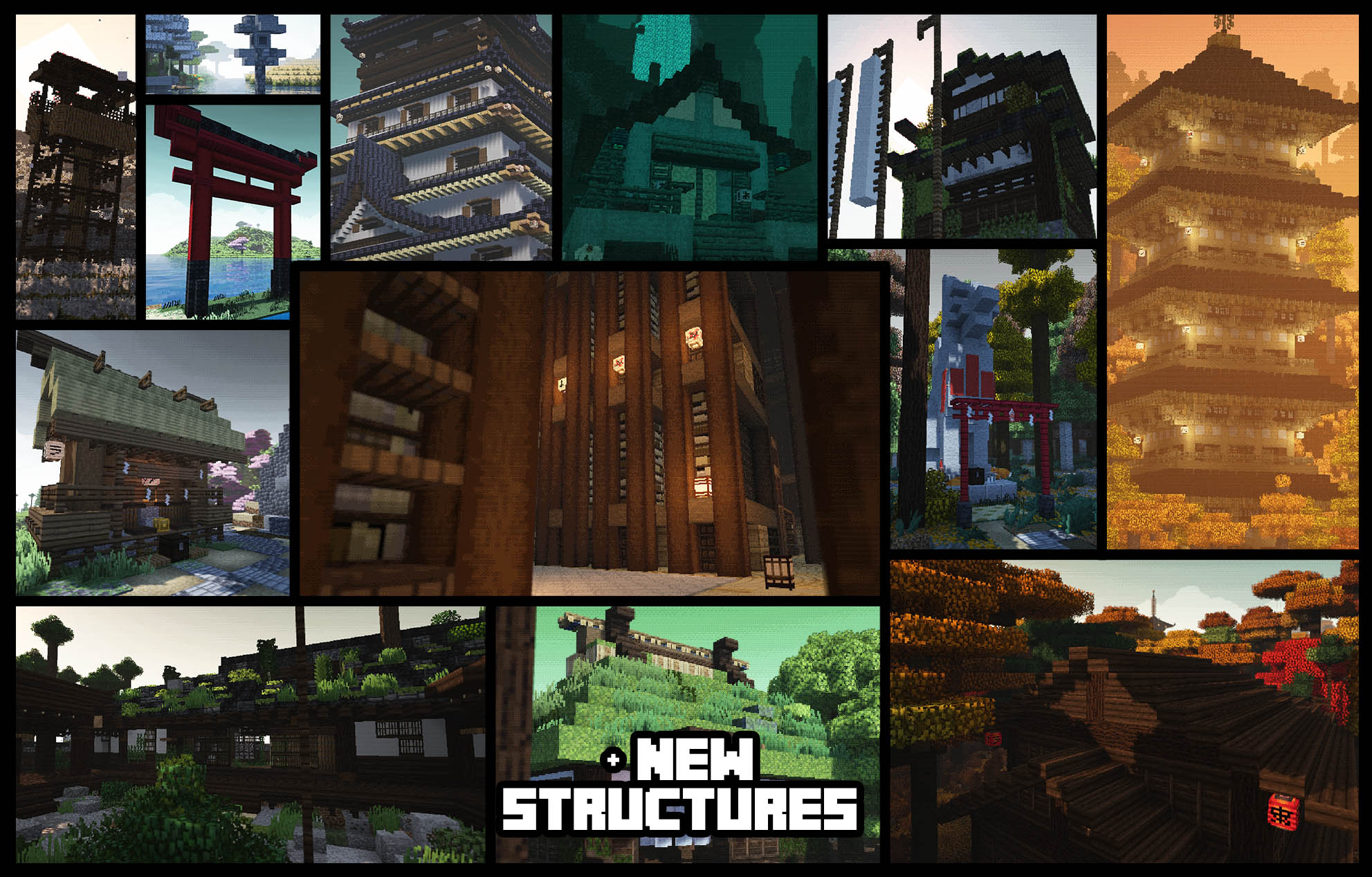
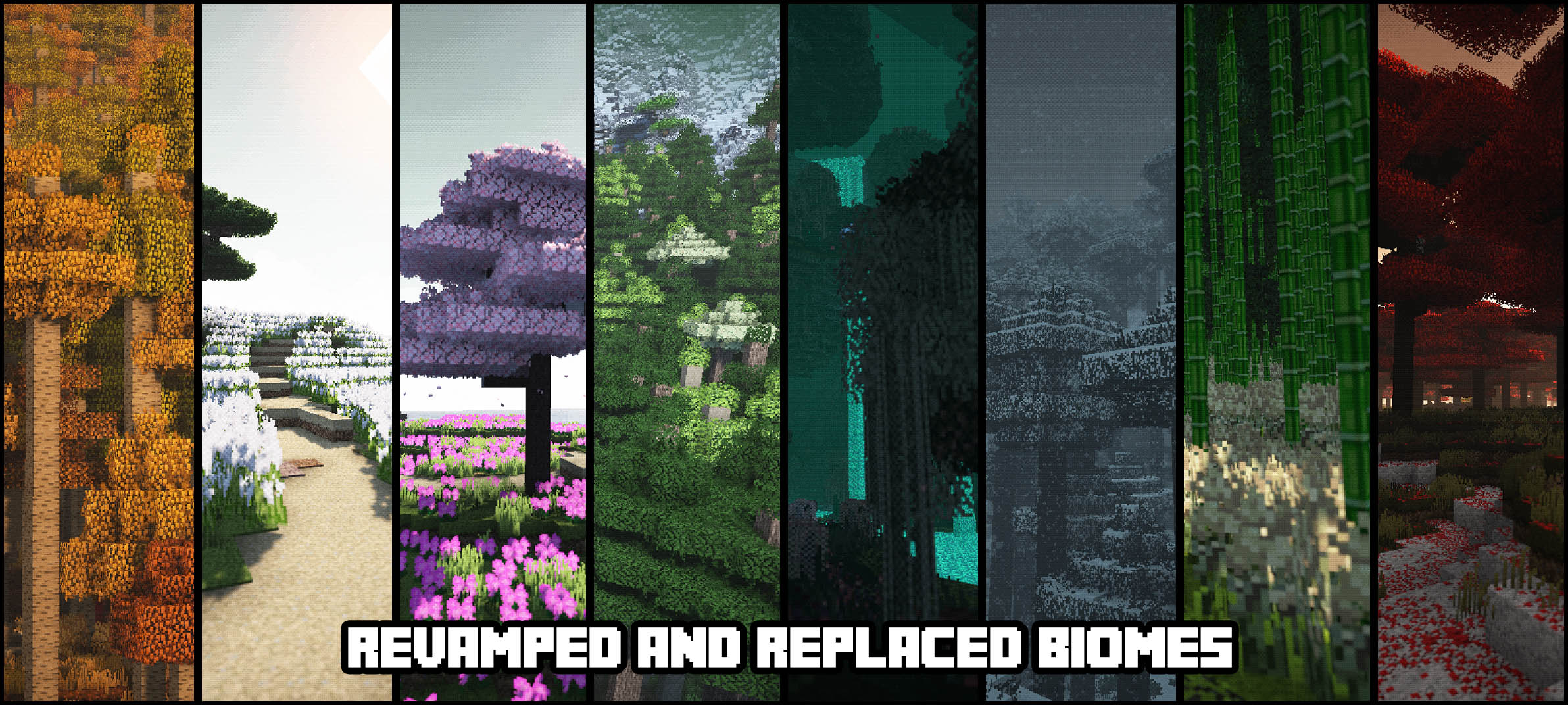
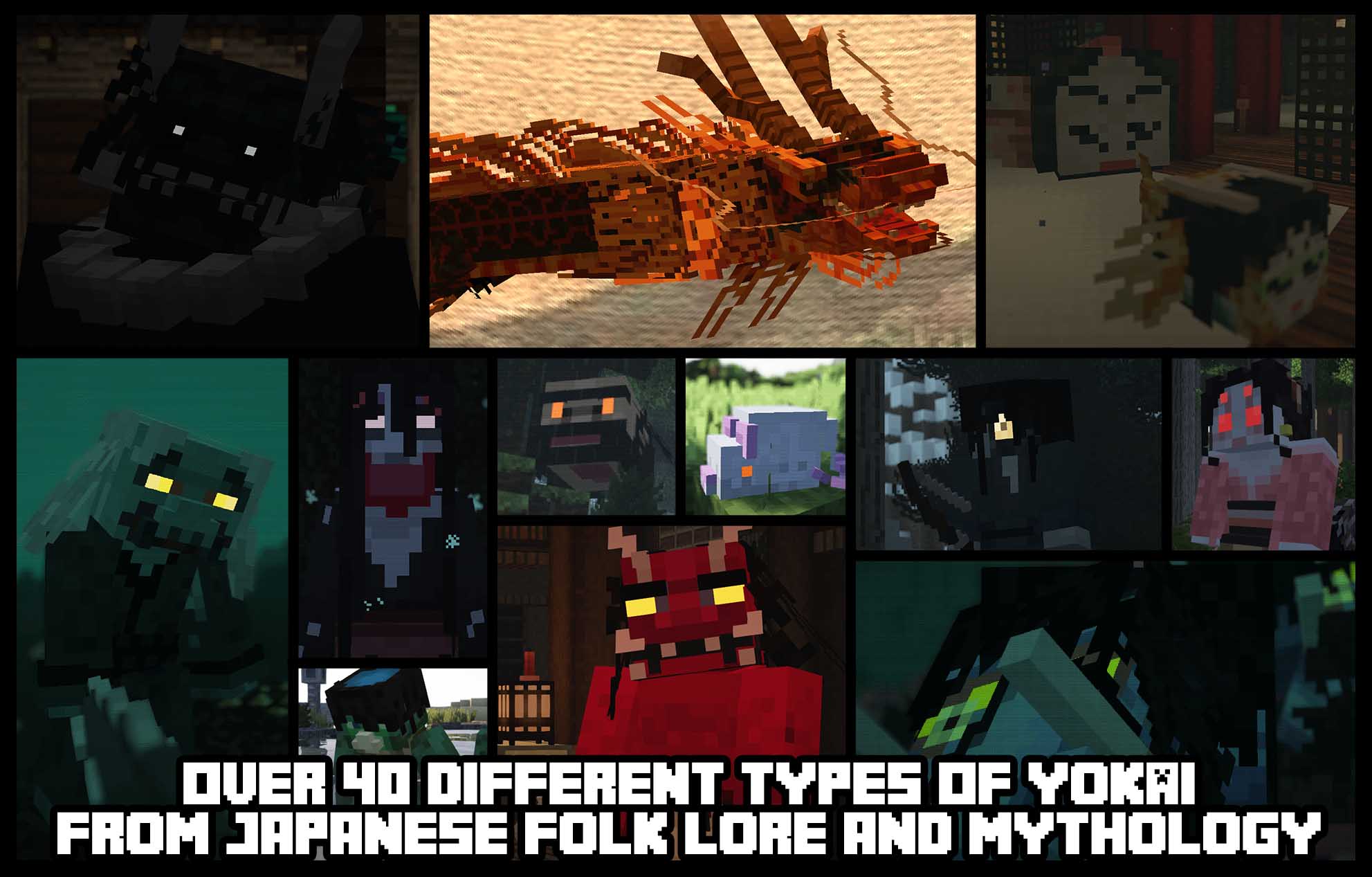
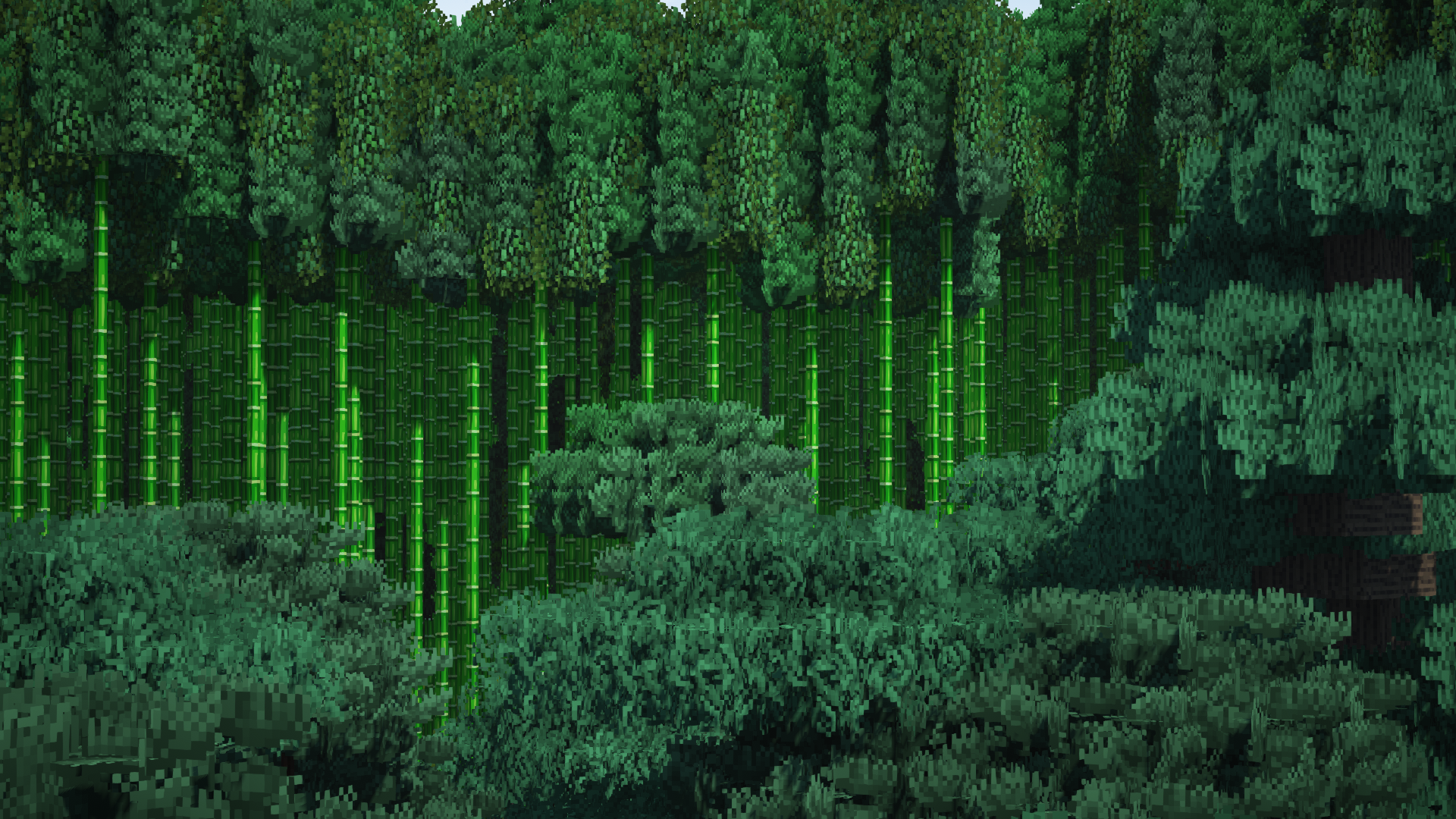
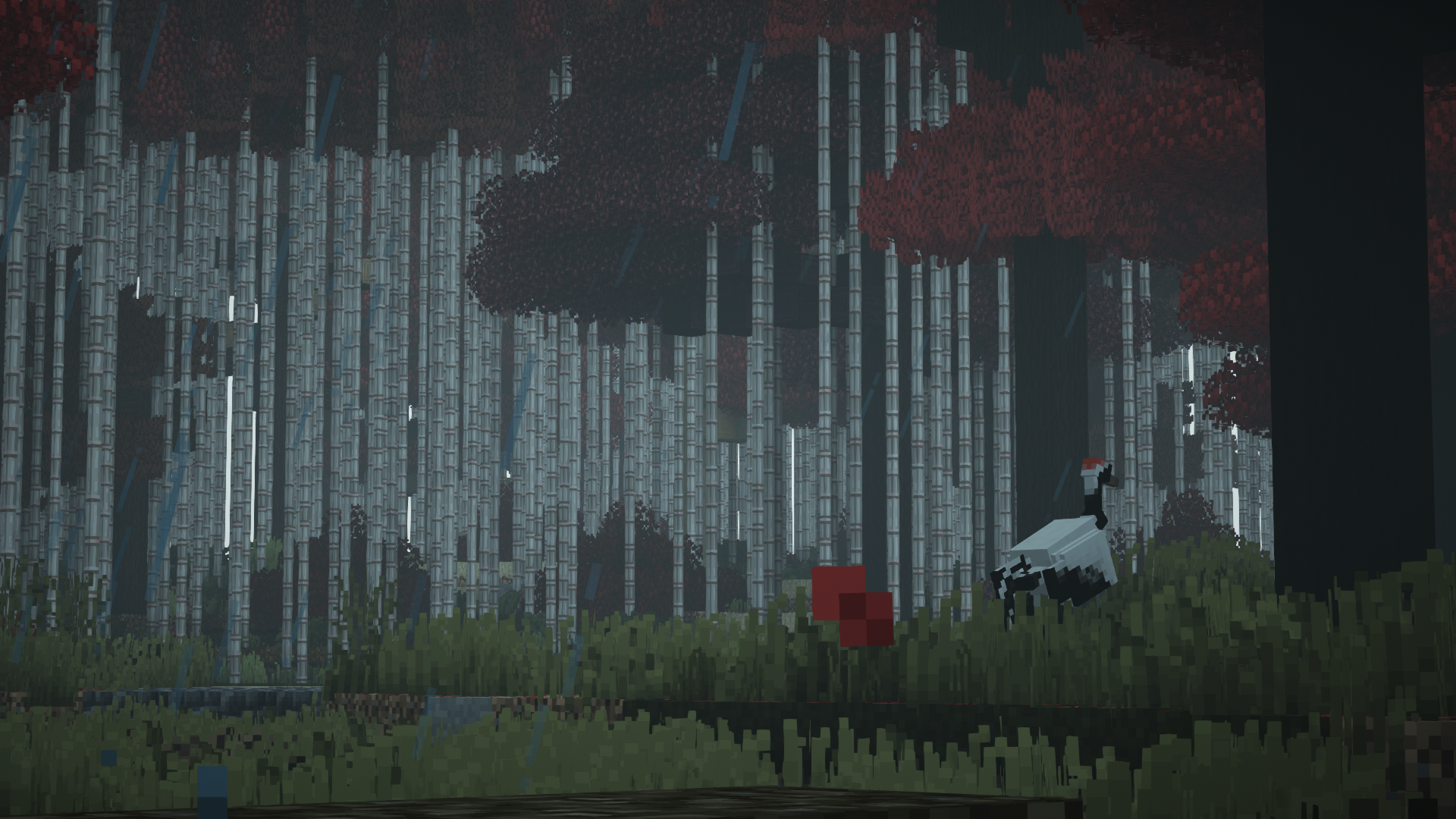
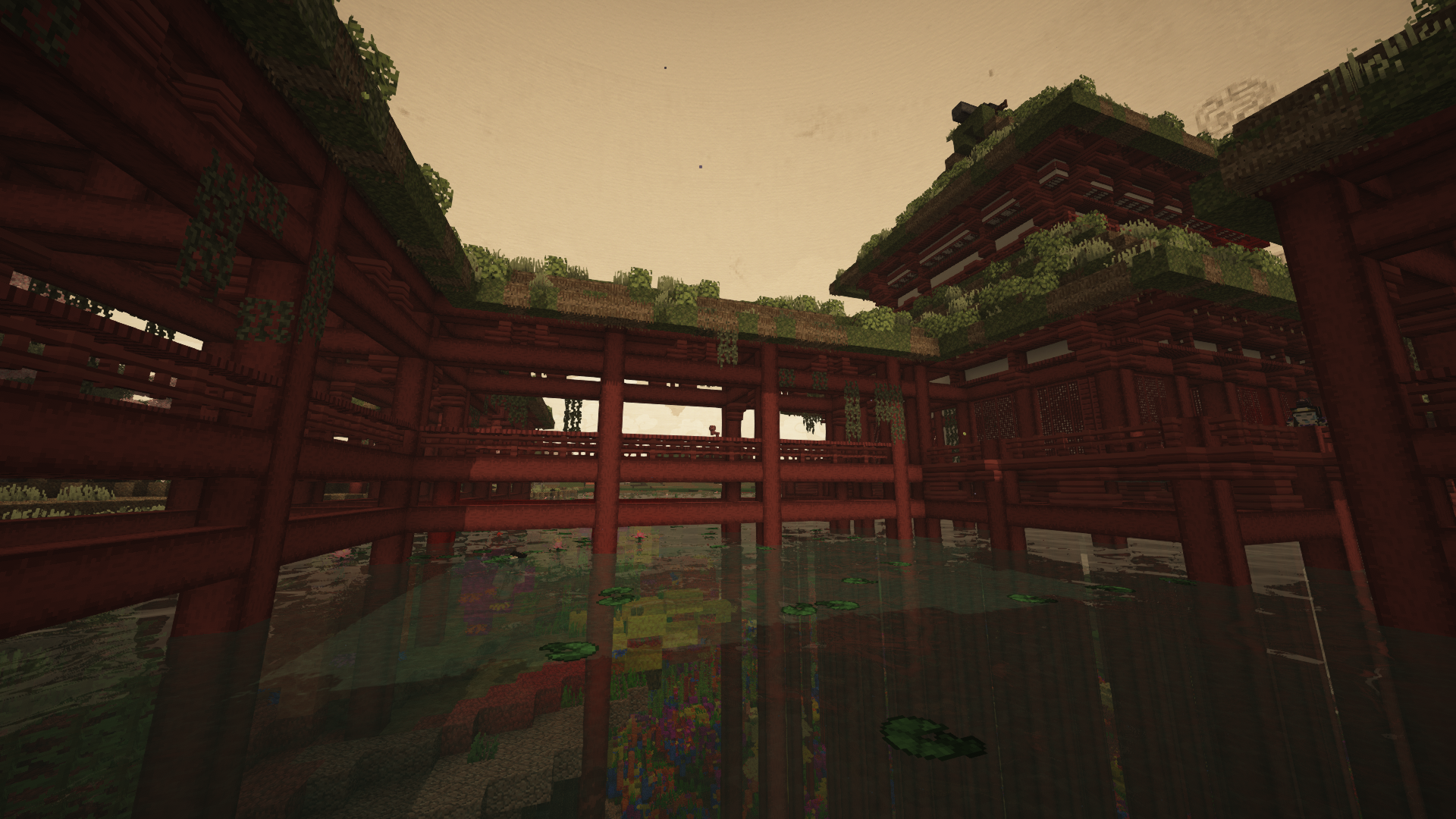
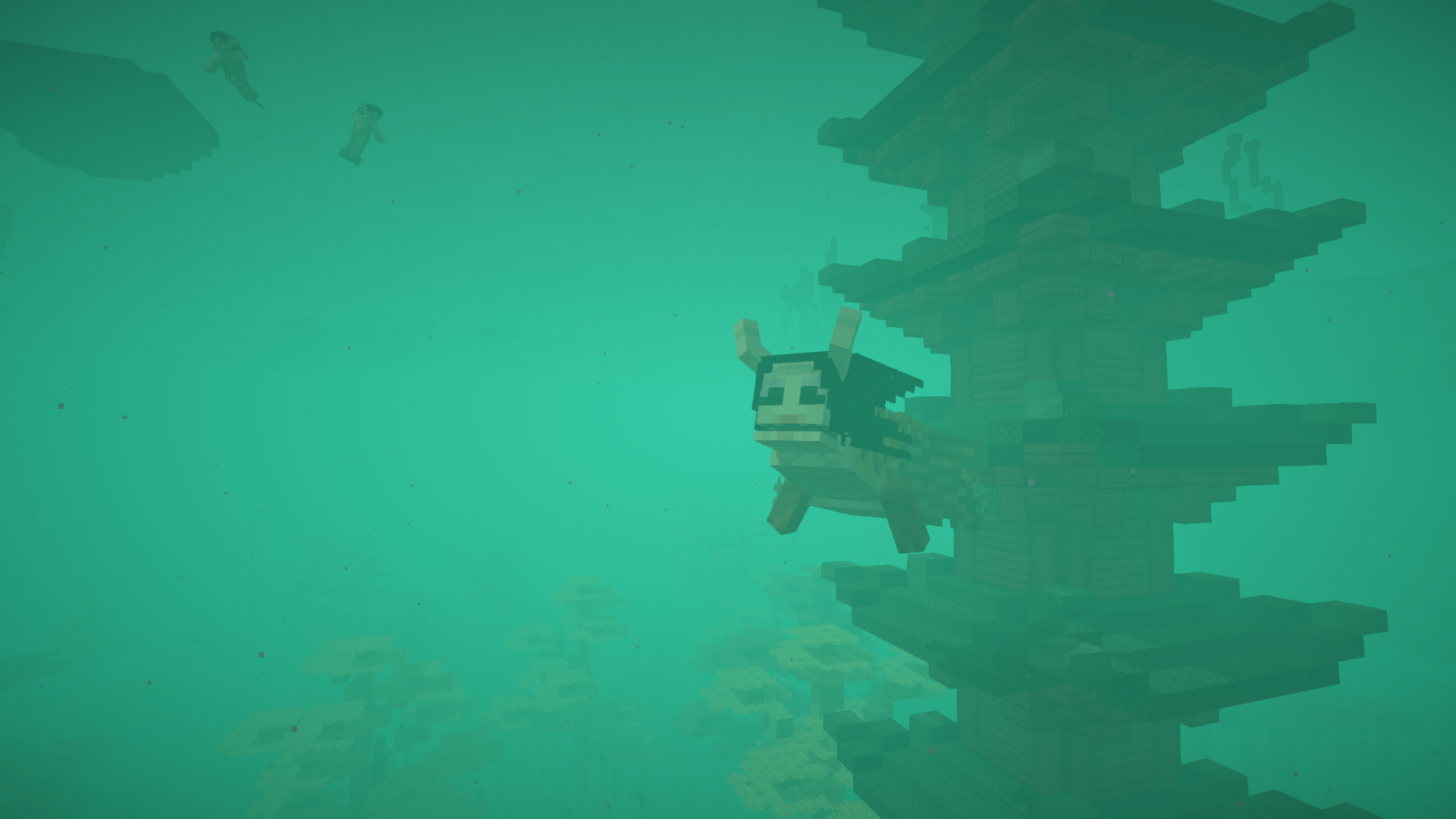
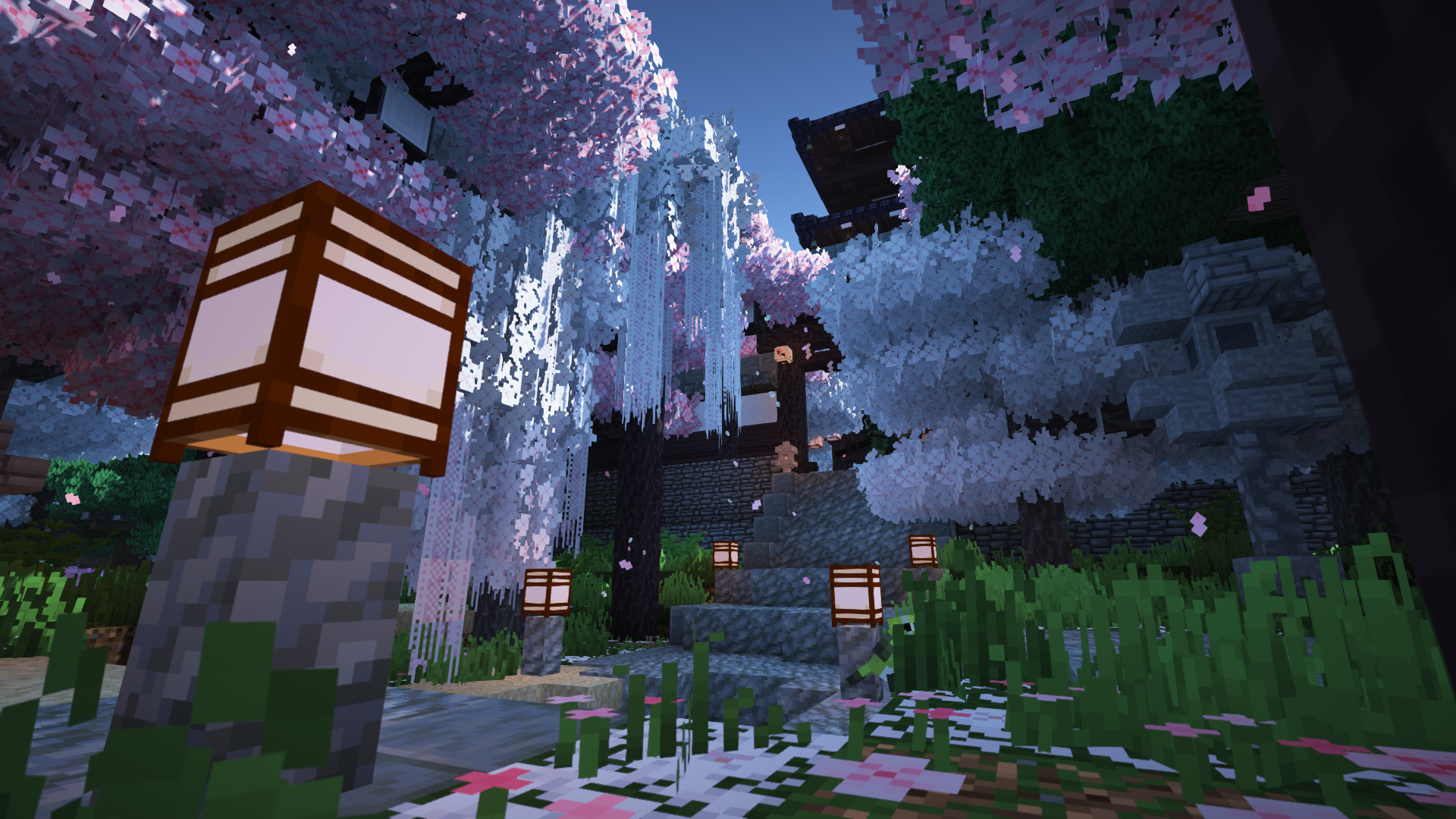
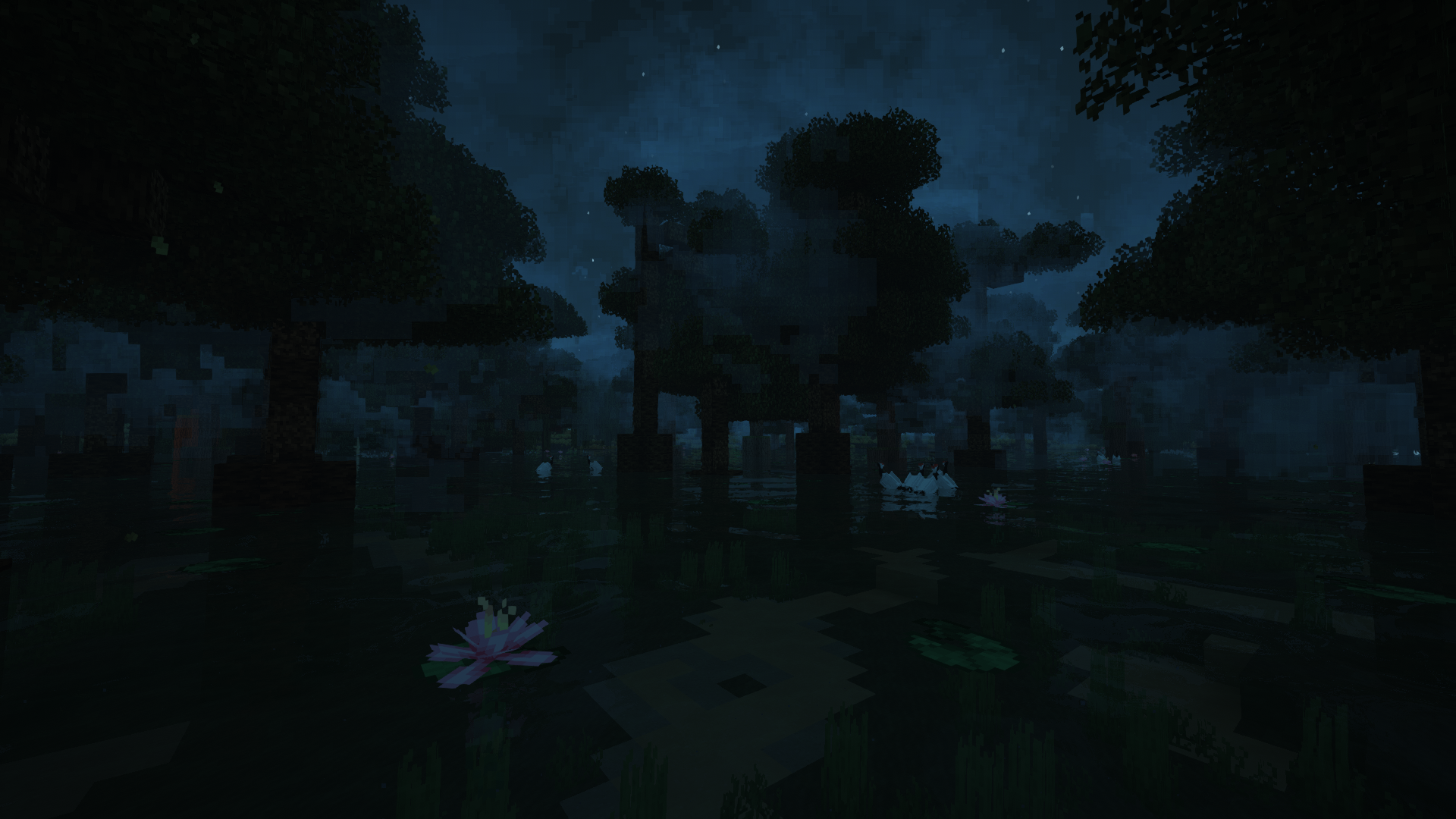
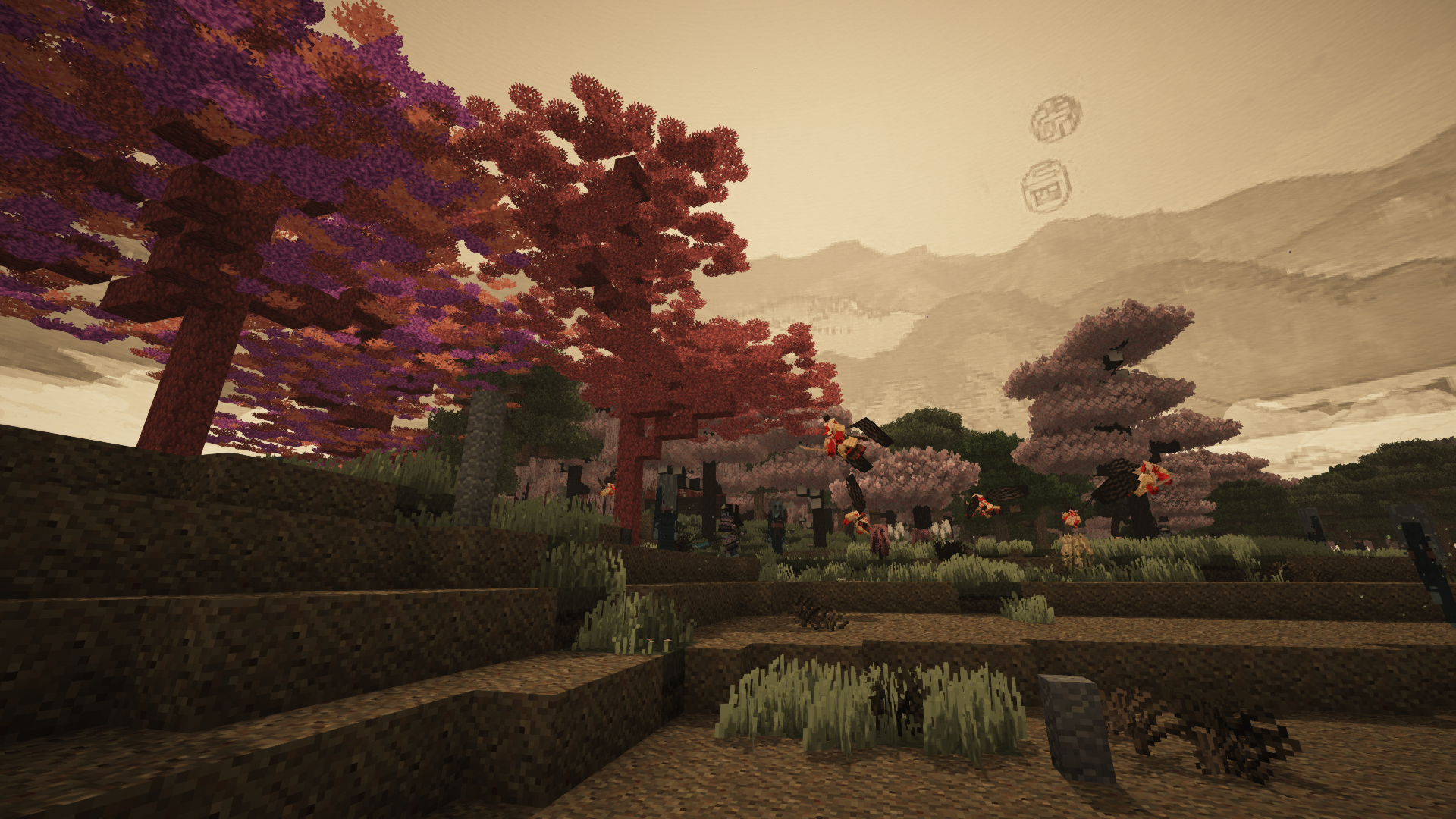
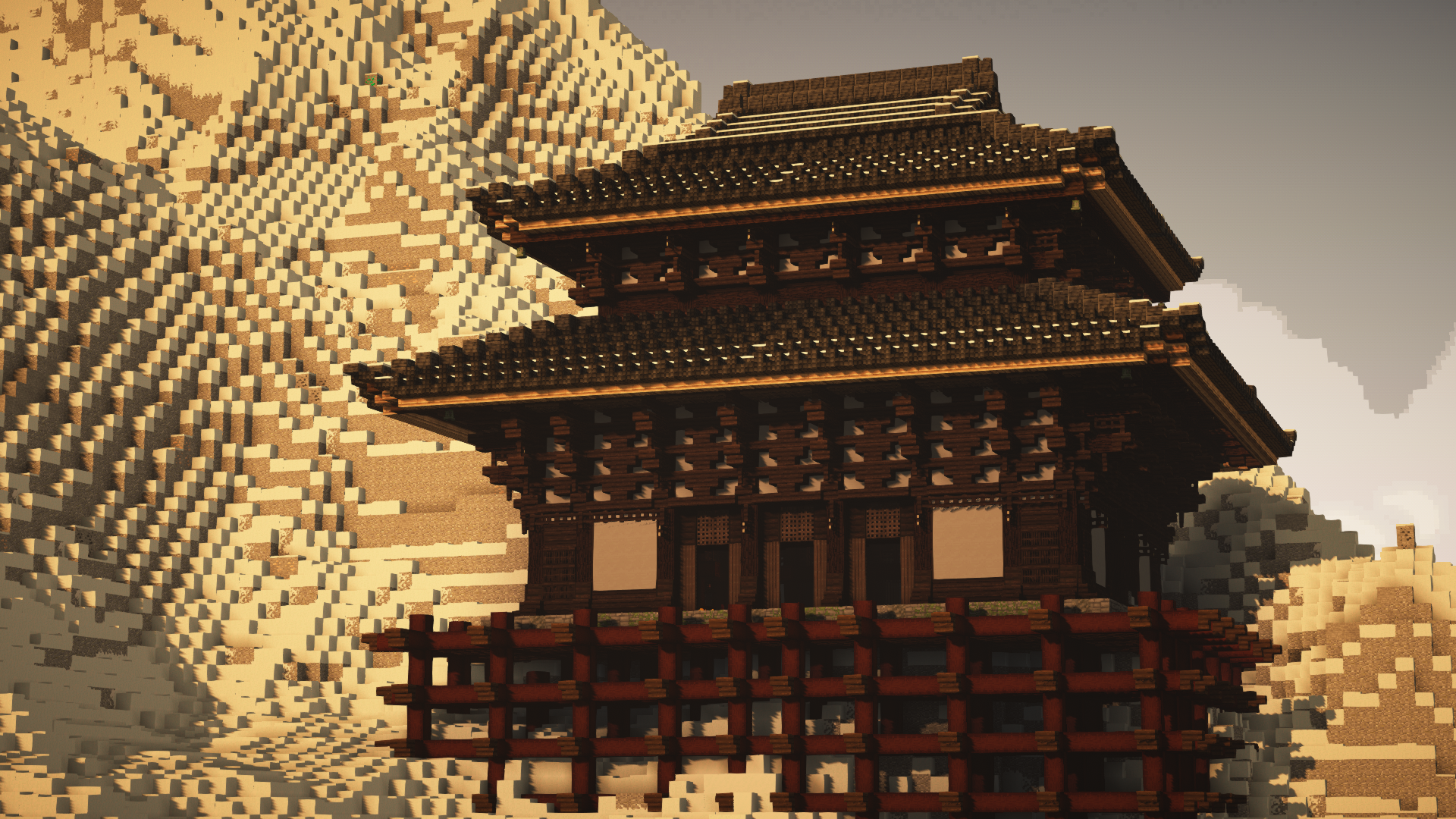
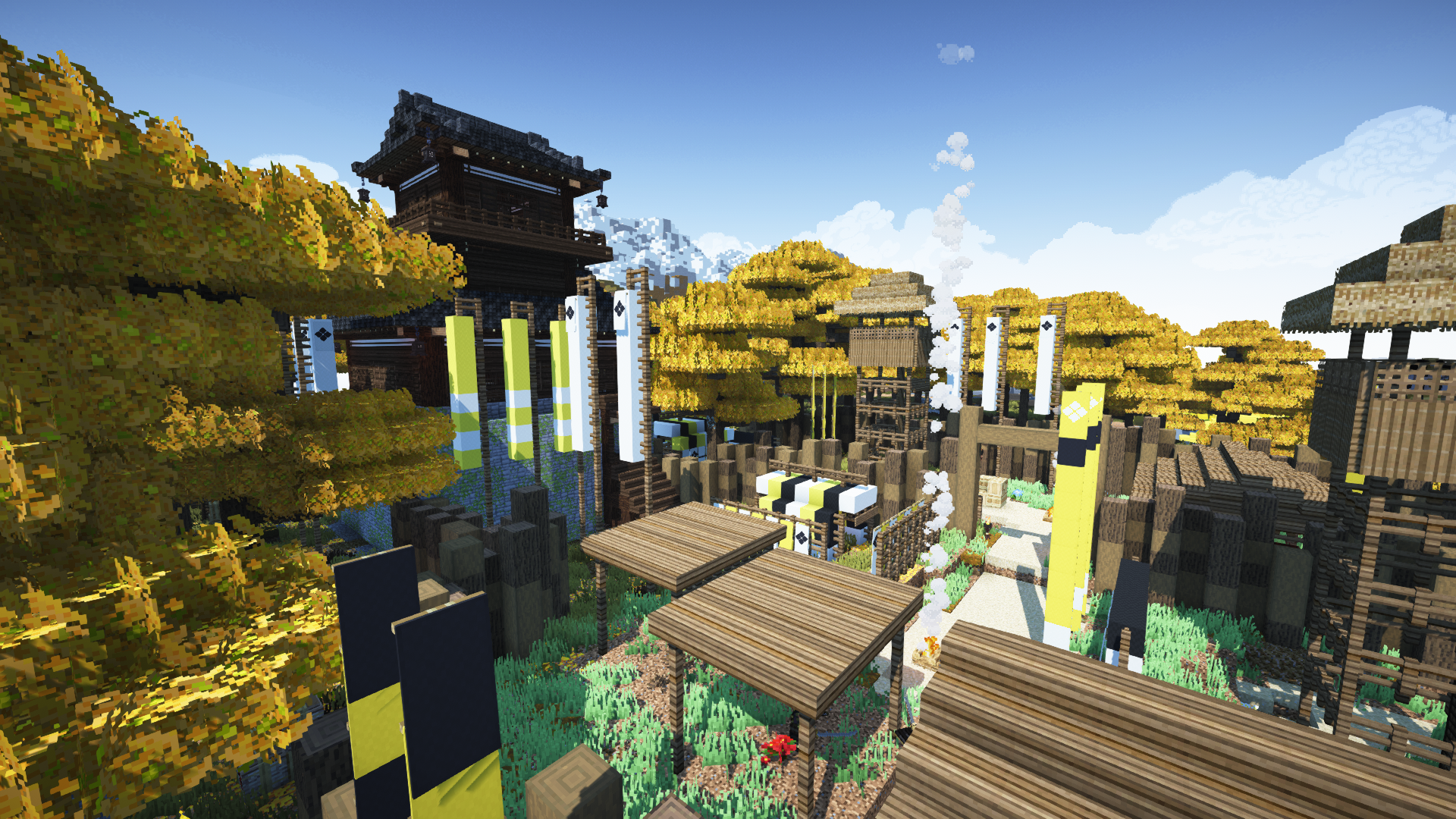
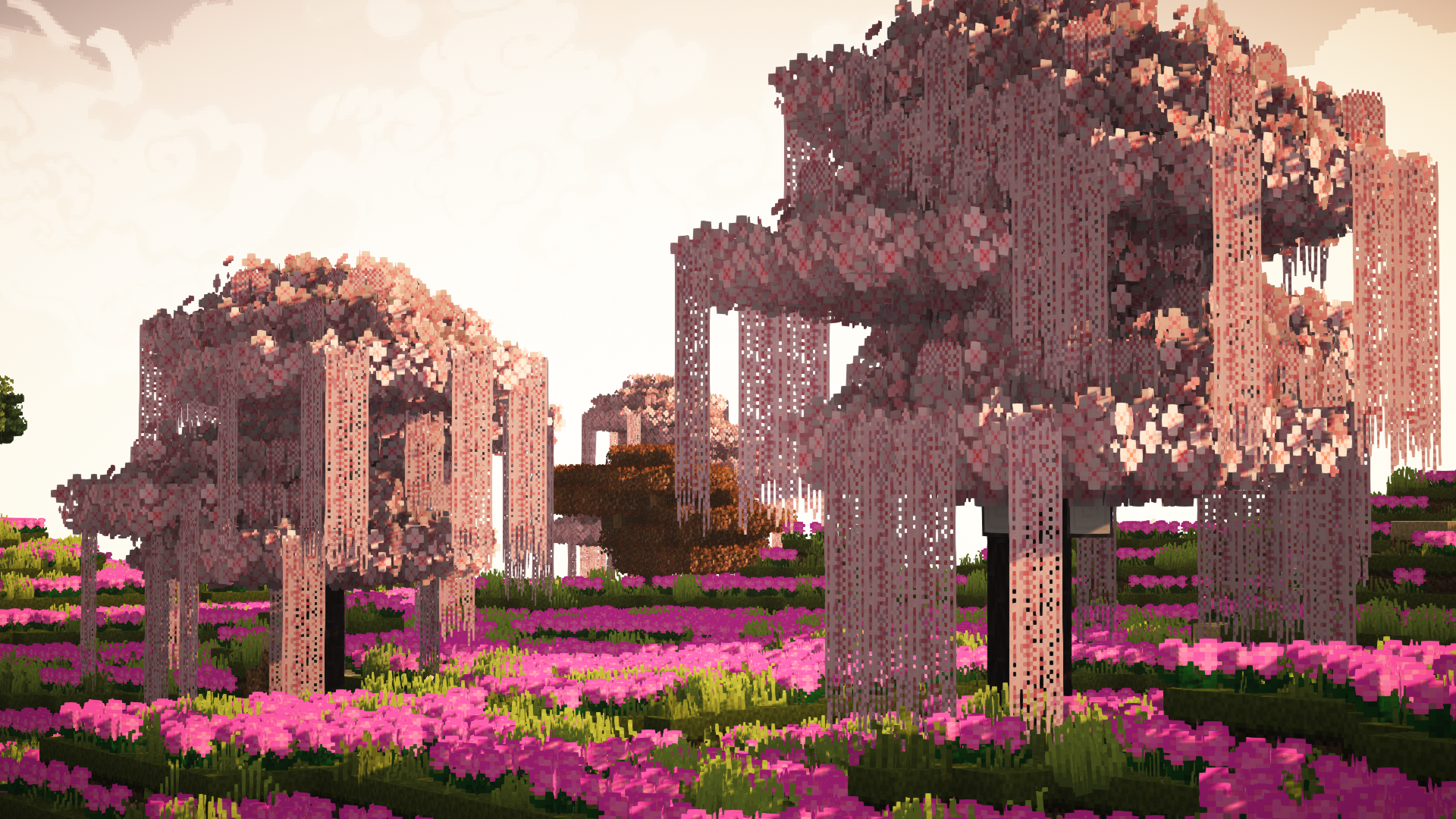
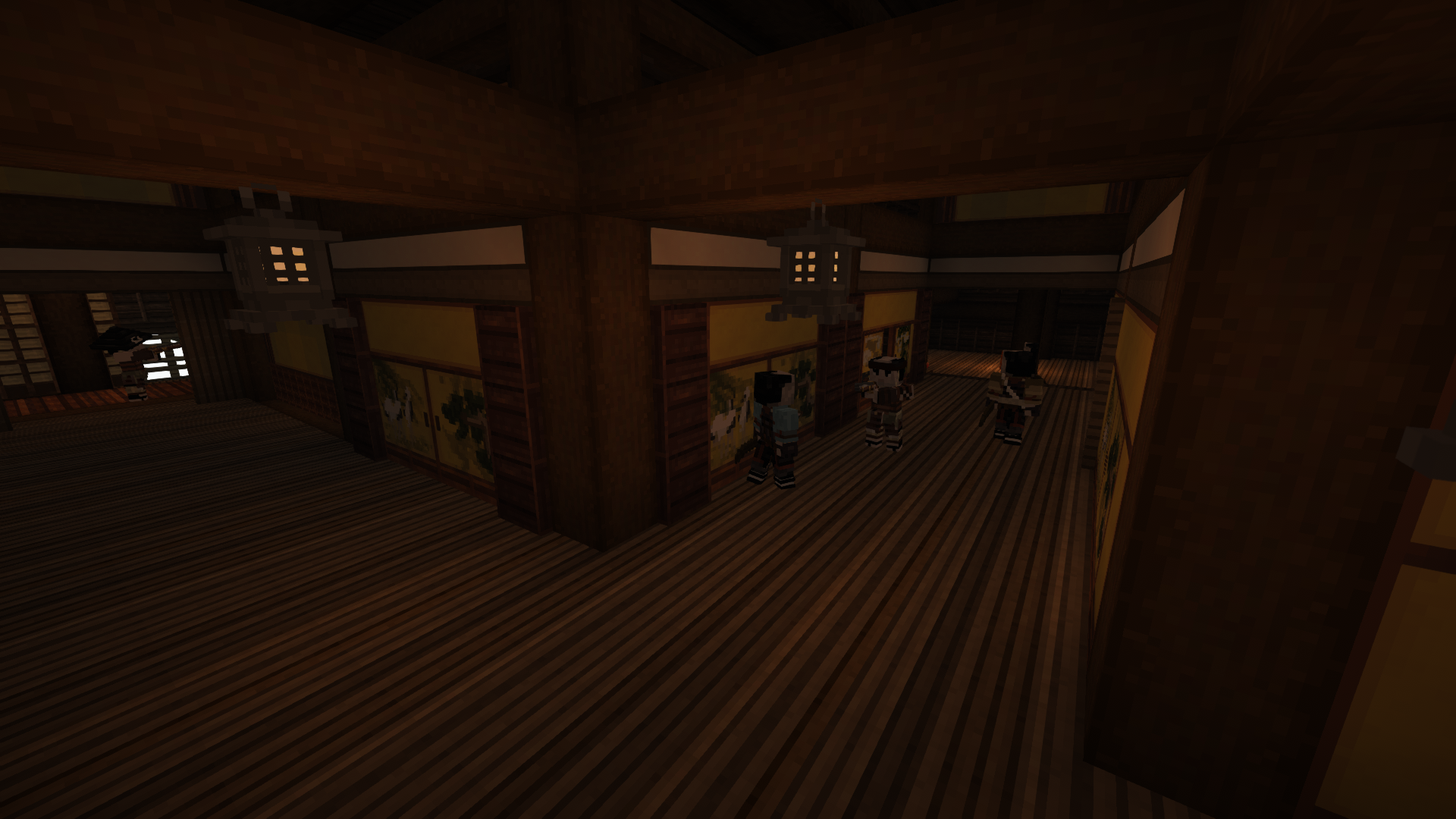
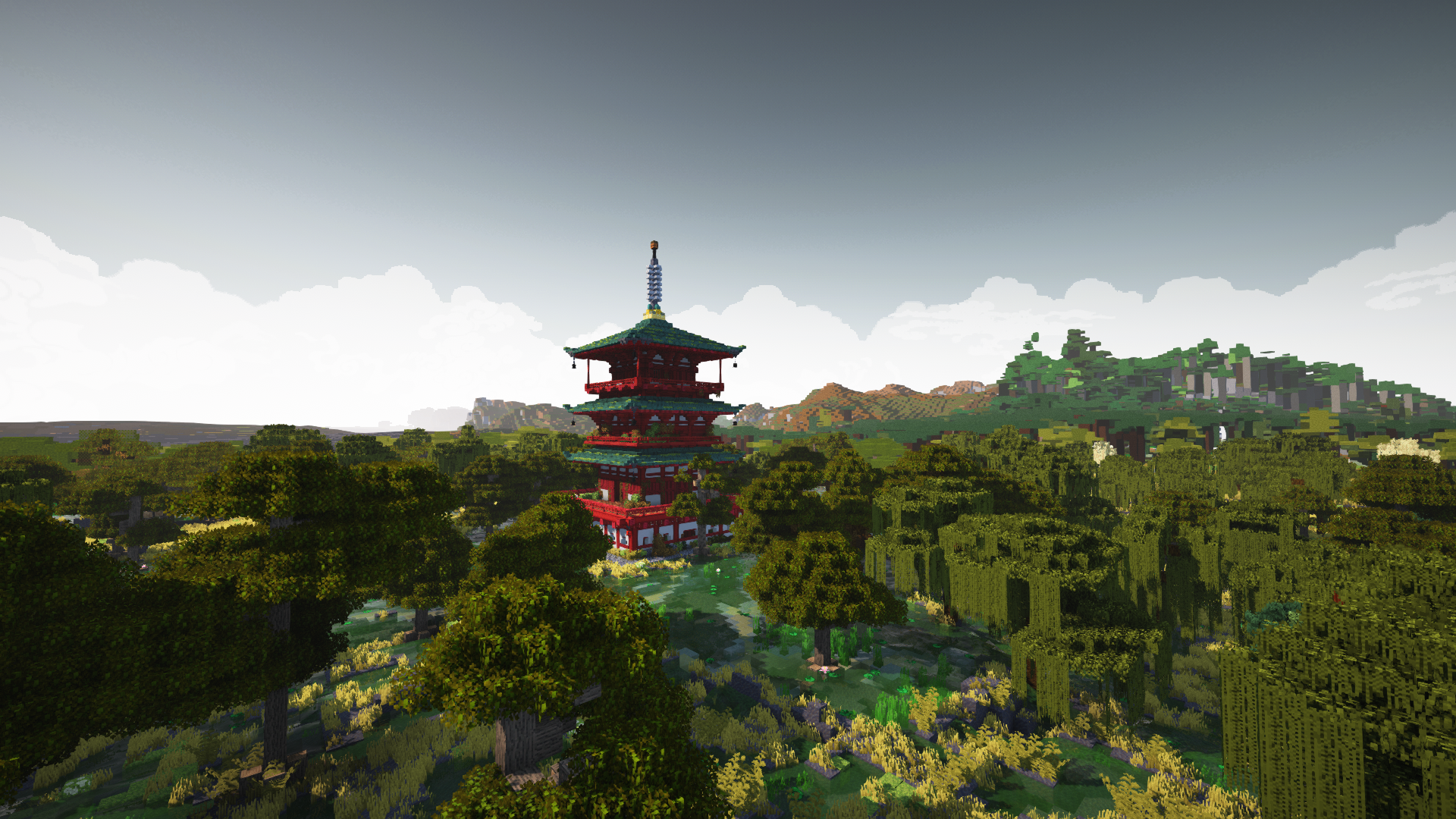
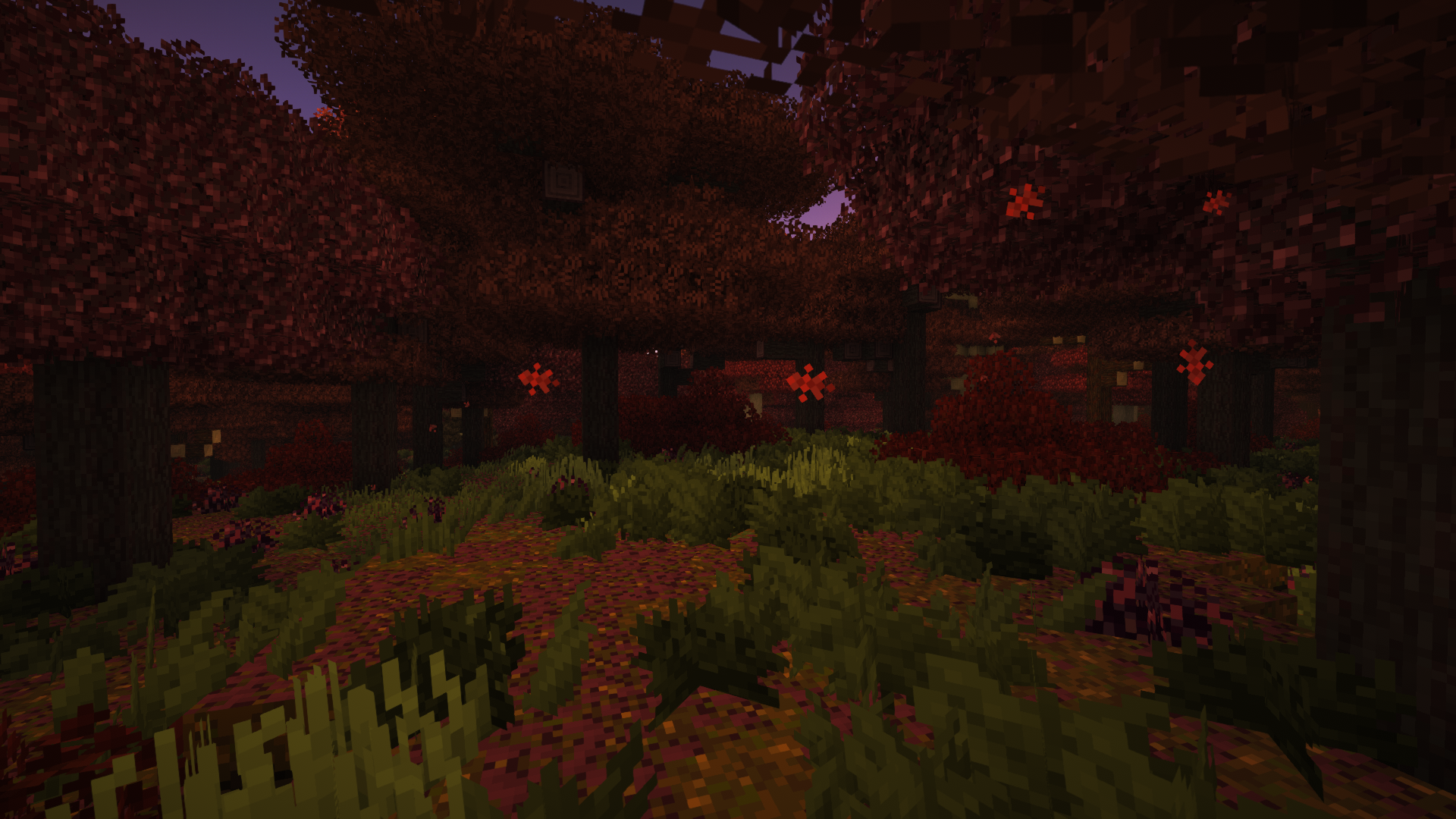
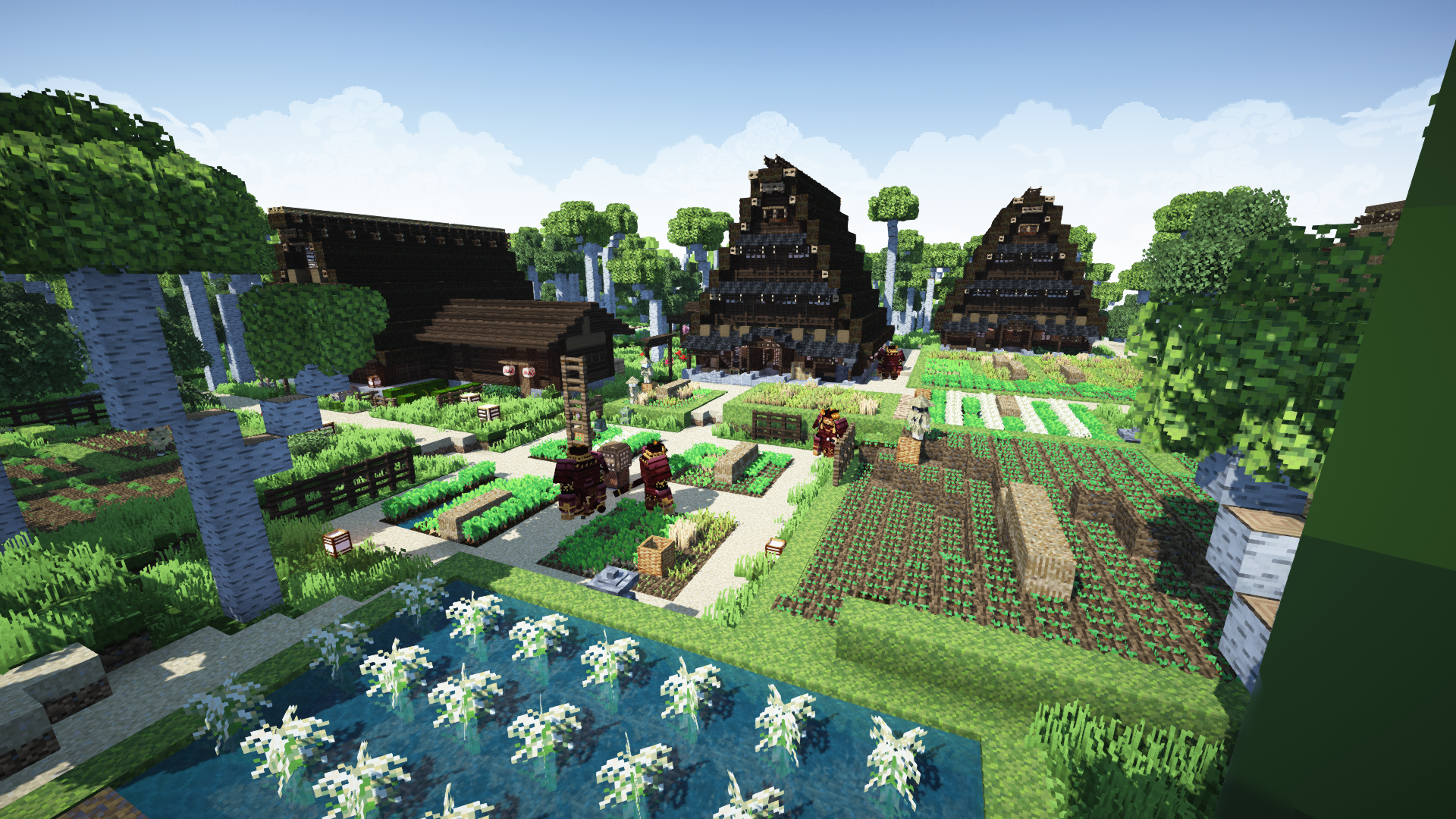
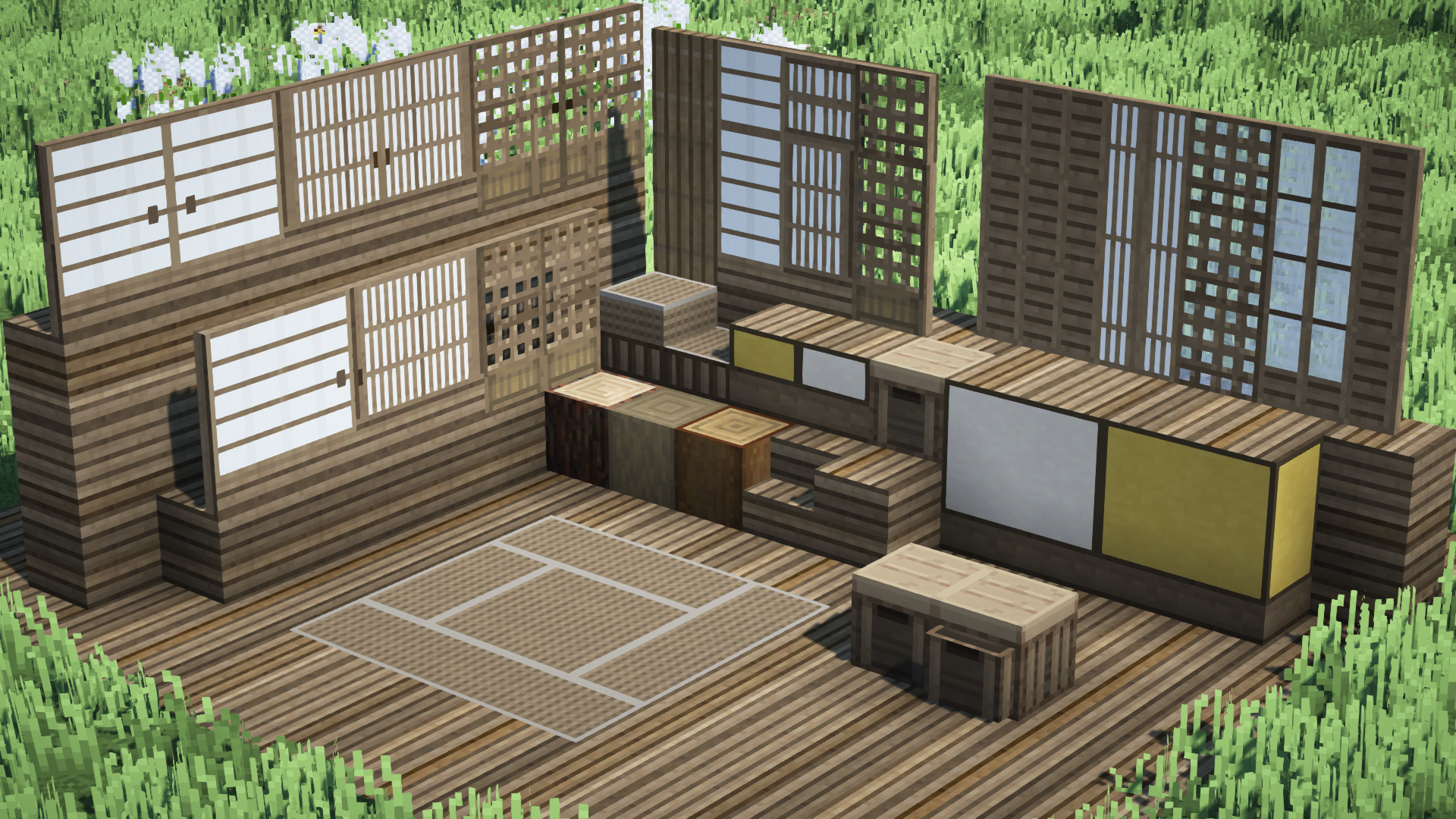
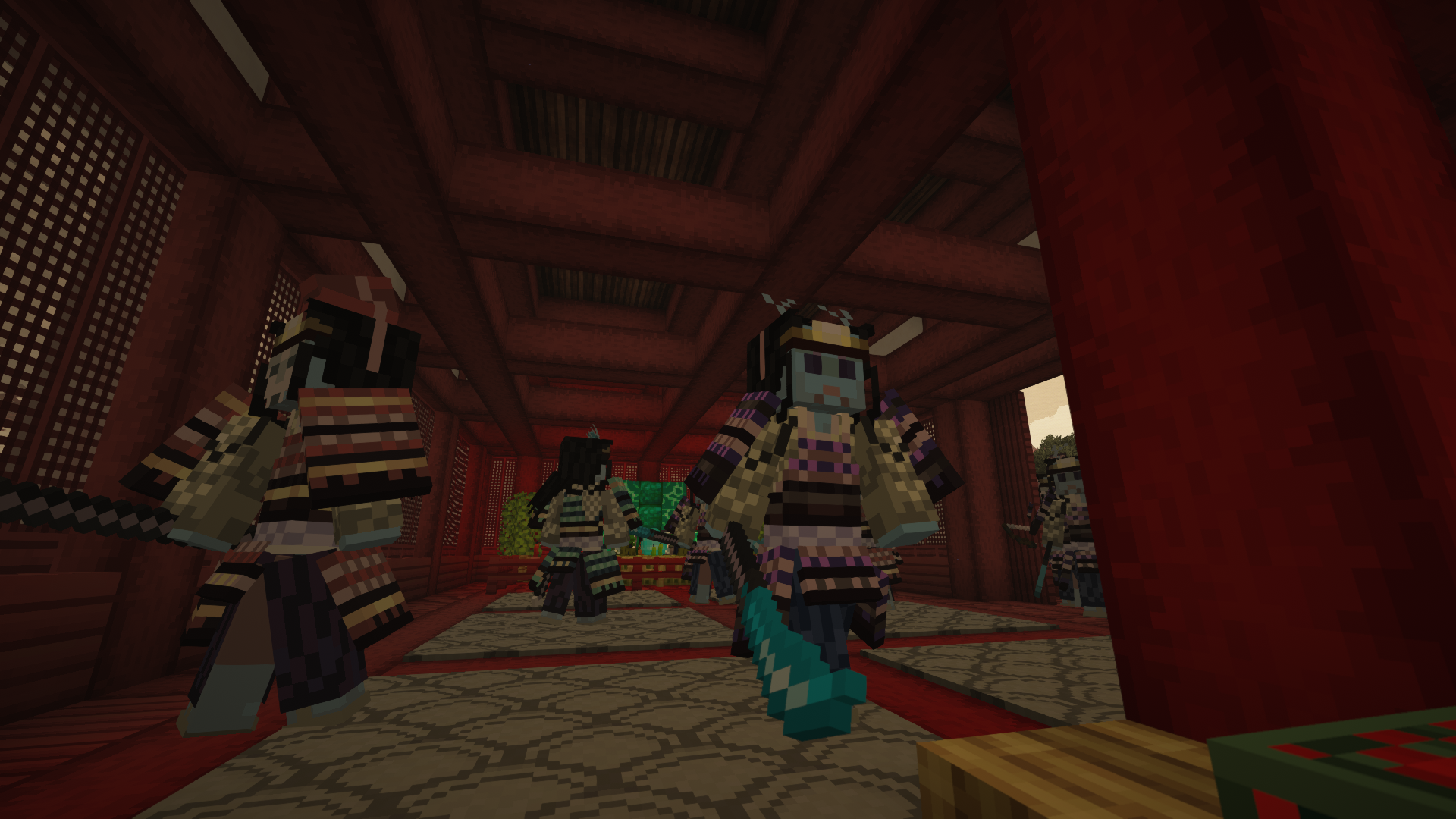
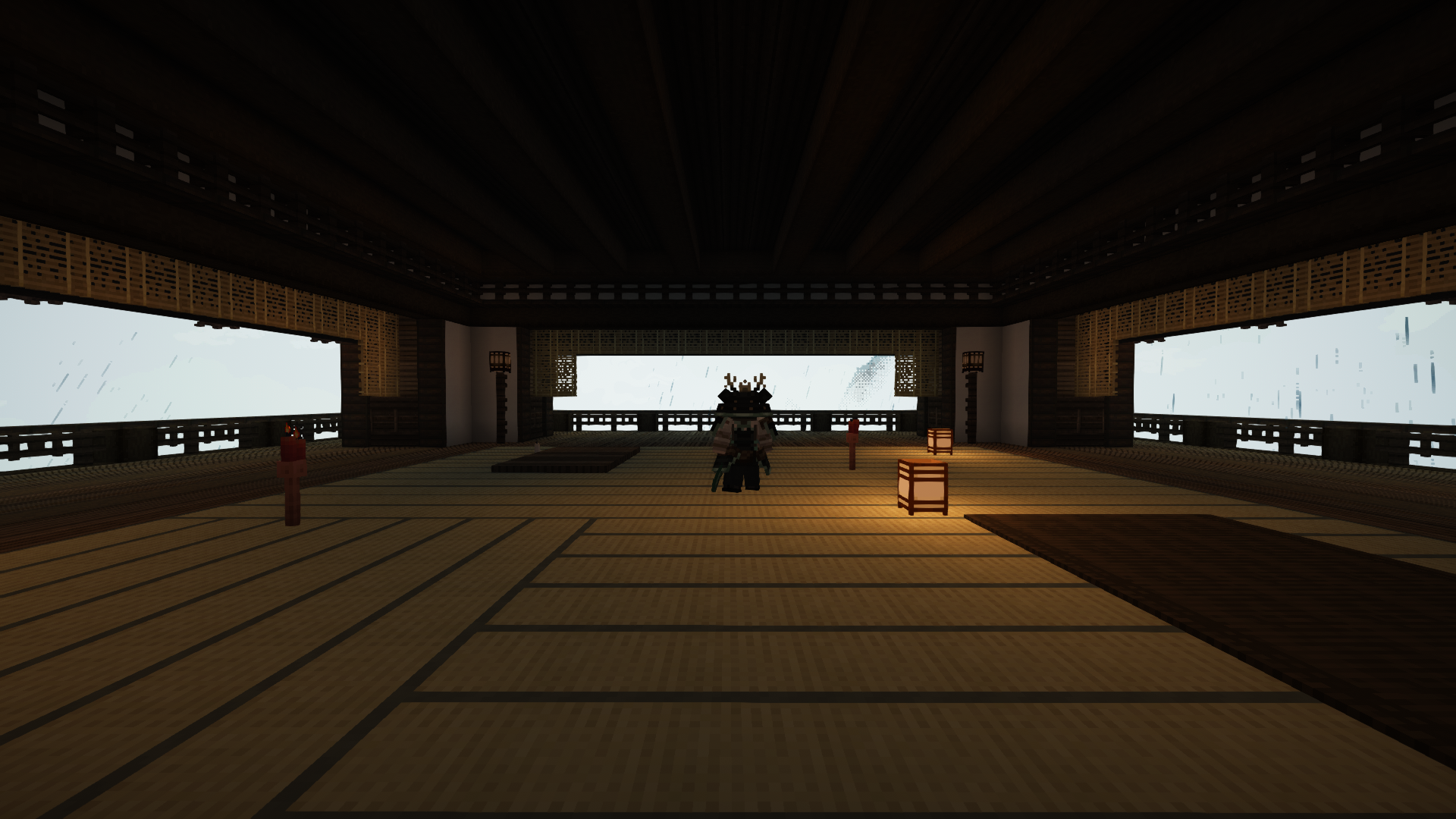
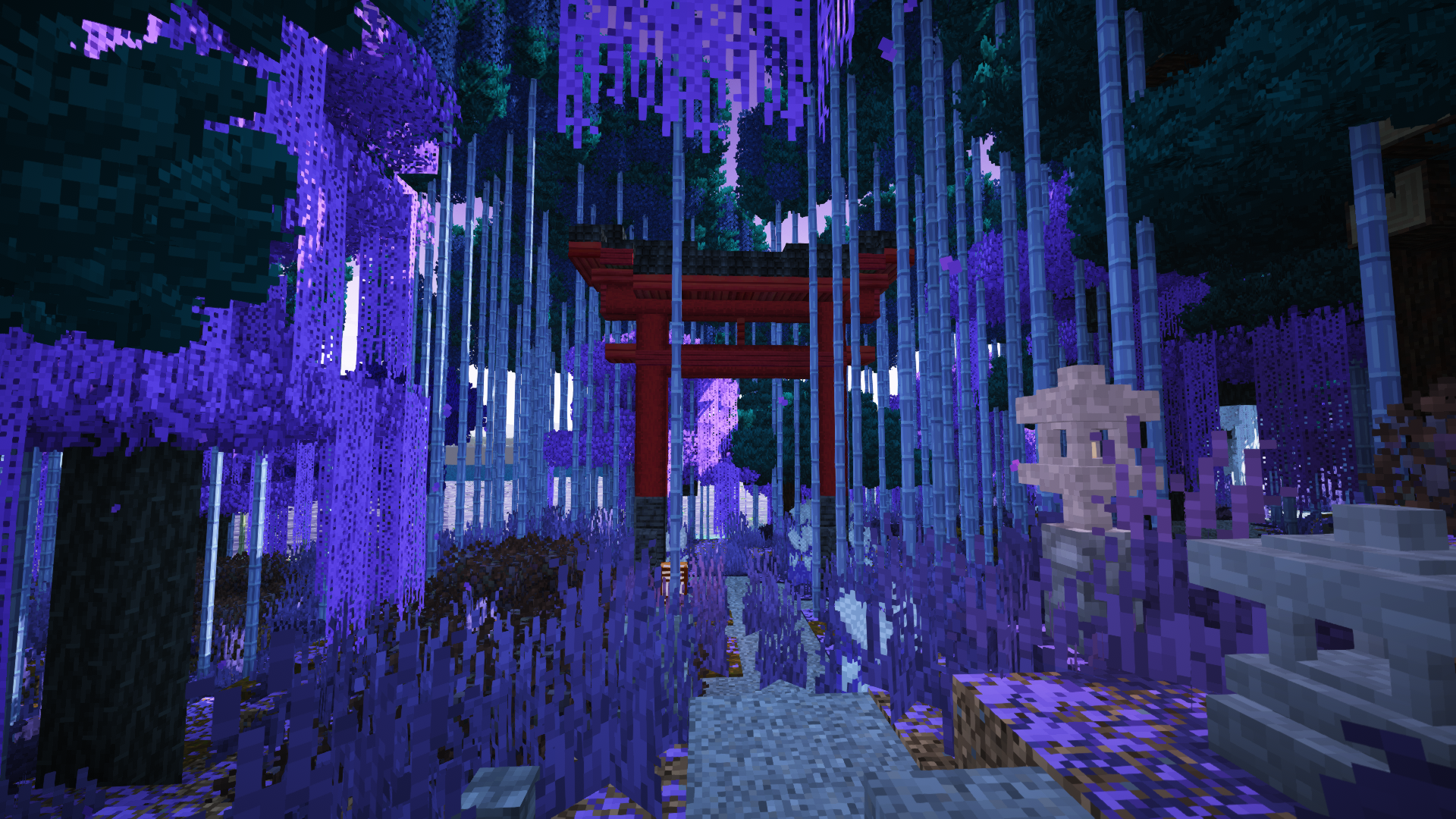
Sengoku Jidai reimagines Minecraft around Japanese history, culture, and mythology, reshaping its blocks, items, creatures, biomes, structures, and dimensions. Its Overworld spans verdant, autumnal, and wintry landscapes, with examples such as Sakura Grove, Ginkgo Grove, Snowy Bamboo Forest, volcanic peaks, and season-themed caves including limestone Akiyoshidō-inspired caverns and crystal-filled Suisho Caves. Villages, shrines, pagodas, castles, samurai outposts, abandoned dojos, and other settlements populate the world, while Yomi replaces the Nether with a cold, blue-green realm of yokai and lost souls, and the End becomes the oceanic palace realm of Ryūgū-jō, guarded by the sea dragon Ryūjin. The inhabitants include human factions such as bandits, ronin, samurai, ashigaru, shinobi, and the castle-dwelling Warlord, alongside yokai and other threats such as the forest-dwelling Onikuma, the cave-spawning Omukade, the snowy-biome Yuki Onna, and the deep-ocean Ikuchi and Umibōzu. Combat adds stealth and detection, with foliage helping conceal players and surprise attacks dealing critical damage, as well as weapon blocking, parrying, and a posture system that can temporarily break a defender’s guard. Weapons include the fast Tanto, thrusting Yari, wide-swinging Naginata, and heavy Odachi; progression introduces Tamahagane, made from iron sand gathered in riverbeds, while unique weapons and armor can be crafted from materials and templates found through castle encounters. The mod also adds Japanese-style building and craftable furnishings, including customizable Shoji panels, Tatami mats, Tansu cabinets, paper and stone lanterns, sake brewing, and tea preparation that grants a brief Haste effect. Other distinctive systems include context-sensitive music, surface monster spawn rates that vary with the moon phase, and a redesigned resource loop in which Ramie Fibre replaces sheep’s wool for making string and linen.
Written from Modrinth and CurseForge . How we write it
In-game changes
Changes the game's code in 11 areas: Mobs and their behaviorChanges 34 game code files in this area: mobs, animals, villagers, projectiles and how they move and act., Inventory and itemsChanges 13 game code files in this area: items, chests and other containers, crafting and enchanting., Rendering and graphicsChanges 9 game code files in this area: drawing mobs, items, particles and textures on screen., Blocks and fluidsChanges 9 game code files in this area: how blocks, fluids and redstone work., World generationChanges 5 game code files in this area: terrain, biomes and structures made when new land is created., Server and world logicChanges 5 game code files in this area: the world, commands, scoreboards, saved data and game rules., World renderingChanges 4 game code files in this area: drawing the terrain, sky, clouds and weather., PlayerChanges 4 game code files in this area: your character: movement, abilities, hunger and controls., Game data and resourcesChanges 1 game code file in this area: recipes, tags, advancements, language files and other game data., Game coreChanges 1 game code file in this area: the main loop, lighting and other code the whole game uses. and Other game codeChanges 1 game code file in this area: game code that is not in one of the areas above..
Adds:
- 21 biomesAutumnal Bamboo Forest, Autumnal Beach, Autumnal Dark Forest, Autumnal River, Caverns, Ginkgo Grove, Hot Springs, Autumnal Hot Springs and 13 more.
- 38 structuresAbandoned Dojo, Abandoned Manor, Bandit Outpost, Battlefield Ruin, Boat, Buddah, Buried Palace, Castle and 30 more.
- 1 enchantmentMight.
- 195 sounds
Counted from the files of the mod. Content made only in its code is not counted.
Replaces 693 of vanilla Minecraft's block textures, 515 interface textures, 475 models, 405 item textures, 363 mob and entity textures, 342 sky, weather and particle textures, 327 world generation files, 175 structures, 131 loot tables, 120 recipes, 22 tags, 19 other data files, 4 text files, 3 core shaders and 1 other resource.
Details
- Creator
- QwikSand
- License
- All rights reserved
- Downloads
- 130K
- Created
- 5 Jan 2026
- Official pages
- Modrinth , CurseForge
- Links
- Discord
Security
No harmful code found
We checked its files without running them.
What it can do on your computer
- Creates settings files
- The mod keeps its settings in the config folder of your game, where you can change or delete them. 3 files in your config folder.
- Connects to the internet
- It has code that can go online, for example to check for updates, load skins or send crash reports. Found in MixinExtras, a library it includes. See Privacy
Why we show this: a mod runs on your computer like any program, so harmful code in it can take your accounts or files. Our checks look for known signs of harm. They cannot prove that a file is harmless. In the grade: malware means no grade, and a Warning in a latest file for a recent Minecraft version lowers it.
How we checked
- FilesWe download the files from Modrinth or CurseForge and look at what is inside them and what their code can do, without running them. Fixed rules tell what is harmful.1 latest file, for a recent version. Recent versions: those released in the last 2 years, plus 1.20.1 and 1.21.1, among the most played in modpacks. See each file in Releases
- Their codeWe turn the code of the files back into readable code and follow what it does, without running it. This shows what it downloads, what it sends and where your login goes.Not read yet
- Author on ModrinthThe disclosure form on Modrinth, where the author declares that the project reads or edits things on your system outside the game. Since 13 Aug 2026, Modrinth's rules require it when this applies.Nothing declared about your system outside the game.
- Looked for, not foundWe looked for these in the file and did not find them.Folders outside the game, other programs, updating itself, the webcam or microphone, an AI service.
Privacy
We have not read its code yet
The file checks found code that connects to the internet (see Security). What it sends is not known yet.
Why we show this: a mod can send things about you over the internet, like your player name or your login. Contacting an address to check for updates or download files sends nothing about you. Not in the grade: sending data can be normal for what a mod does.
How we checked
- Files readWe read the code without running it. We list each web address the code contacts while you play, and what it sends. Code that is never used is left out.None yet. See each file in Releases
- Author on ModrinthThe disclosure form on Modrinth, where the author declares crash reports, usage data and advertisements. Since 13 Aug 2026, Modrinth's rules require it when a project collects data on its users or shows advertisements.Nothing declared about crash reports, usage data or advertisements.
AI
No sign that AI was used to make it
We looked for AI tools in its texts, files, images and sounds and found none.
No sign of AI in the game
We found no AI service, AI library or AI model file in its code.
Why we show this: some players and servers avoid projects made with AI, and AI in the game can send what you write to an online service. Not in the grade: using AI does not tell whether a project works well or is kept up to date.
How we checked
- Author on ModrinthThe disclosure form on Modrinth. Since 13 Aug 2026, Modrinth's rules require it when a substantial part of the code is AI output, when an asset is mainly AI output, or when the project or its page relies on generative AI.No AI content or AI features declared.
- Description and changelogsThe description, project page and newest changelogs: sentences saying an AI tool was used, and text pasted from an AI chat.Nothing found40 changelogs read
- Its filesCredits and texts in the files you download that name an AI tool.Nothing found
- Images in its filesHidden data in the images of the files you download, where AI image tools write their name and settings.Nothing found14,374 images read
- Sounds in its filesThe tags of the sound files in the files you download, where some AI music tools write their name.Nothing found40 of 1,275 sounds read
- Code of the modThe code and files of the mod, read without running it: addresses of AI services, AI libraries, AI model files and a place for your own AI key.No AI service, AI library or AI model file1,293 code files read
Compatibility
See all 23 filesPoint at or tap a version to see its loaders.


Related projects
Projects that need Sengoku Jidai Mod to work.


Modpacks using this project
Find modpacks with itModpacks that include Sengoku Jidai Mod in at least one of their versions, most downloaded first.
 Warring States - Sengoku Jidai4.6K downloadslast version with it 14 Jun 2026
 Sengoku Jidai with friends3.4K downloadslast version with it 5 Mar 2026
 Sengoku Era3.2K downloadslast version with it 19 Mar 2026
 Sengoku Jidai - Samurai Legends2.1K downloadslast version with it 23 Sep 2026
 Sengoku Chronicles: Warring States Japan1.5K downloadslast version with it 10 Oct 2026
 Blades of the East1K downloadslast version with it 10 May 2026
 Sable Wood - Japan965 downloadslast version with it 9 Sep 2026
 Sengoku Jidai - Kamigami No Michi (DISCONTINUED)838 downloadslast version with it 2 May 2026
 Ghost of Khaojee734 downloadslast version with it 6 Jul 2026
 Uneko's Samurai Pack 2544 downloadslast version with it 19 Jul 2026
Latest files
The newest file for each Minecraft version and loader. The files for recent versions come first. Recent versions: those released in the last 2 years, plus 1.20.1 and 1.21.1, among the most played in modpacks.
23 releases
Quick fixes
In the last 2 years, 6 releases needed a quick fix: a new release within 3 days to fix a problem. This lowers the grade by 3 points.
See them, newest first
- 2.0.8-Fixed bug that caused Sakura Saplings to grow into oak trees…
- 2.0.73hotfix sheep egg bug that crashed servers. i hope
- 2.0.73-Texture fixes for the Shide and Straw Ornament. -Added proper loot…
- 2.0.73stutter fix test
- 2.0.72Fixed broken textures
- 2.0.71…translation provided by Calmlyplayingdumb Bug Fixes: - Fixed Reeds Duplication Glitch - Fixed Shinobi Music…