The lost cities
ModTurn your world into an abandoned, overgrown city.
Why gradeB
How grades workStrengths
Points lost
- Releases in only 4 of the last 24 months−3 points
- No public issue tracker−3 points
- Under 5 million downloads−2 points
- First release only 9 months ago−2 points
All 11 criteria
Maintenance
3 points lost24 / 27Last releaseHow long ago the newest file came out, or an existing file was marked as working on a new Minecraft version.4 weeks ago (26 Sep 2026) 12 / 12Supports popular versionsWhether the project has a file for a Minecraft version that 15% or more of the popular mods updated in the last 6 months also support. A version many modpacks use, like 1.20.1 or 1.21.1, also counts after a release in the last 12 months.1.21.11 on Fabric. 29% of the 718 popular Fabric mods updated in the last 6 months also have files for 1.21.11. Latest Minecraft: 26.3. 9 / 9Regular releasesIn how many of the last 24 months a new file came out. Full points at 8 months.Releases in 4 of the last 24 months 3 / 6Stability
Full points12 / 12Removed from modpacksHow many modpacks removed it in a later version of the pack. We can only see this in modpacks with two or more versions. A pack that swaps it for another edition of the same project, or that is rebuilt from scratch, does not count.Not measured yet.Quick fixesHow often a release needed a quick fix: a new release within 3 days to fix a problem in it.1 of its 7 releases in 2 years needed a quick fix (14%) 7 / 7Known conflictsHow many projects say they do not work with it, compared with how widely it is used. Packs, small projects, forks, ports, add-ons, alternatives and old versions do not count.None 5 / 5Transparency
3 points lost7 / 10Source codeWhether the project page links to its source code, so anyone can read what it does.GitHub · Sunshainy/Lost-Cities-port-Fabric 7 / 7Place to report problemsWhether the project page links to a place where players can report problems: an issue tracker.No link to report problems 0 / 3Popularity
2 points lost2 / 4DownloadsDownloads on Modrinth and CurseForge. Full points from 5 million.18,334 2 / 4Track record
2 points lost6 / 8AgeHow long the project has existed. It counts less when no new file came out recently.9 months, 29 releases 6 / 8Security
PassedFile checksThis check adds no points. It can only take points away.Our checks found nothing harmful in all 5 latest files for recent Minecraft versions. See Security
51.4 of the 61 points that apply = 84 out of 100. The points above are rounded to whole numbers.
Images
About
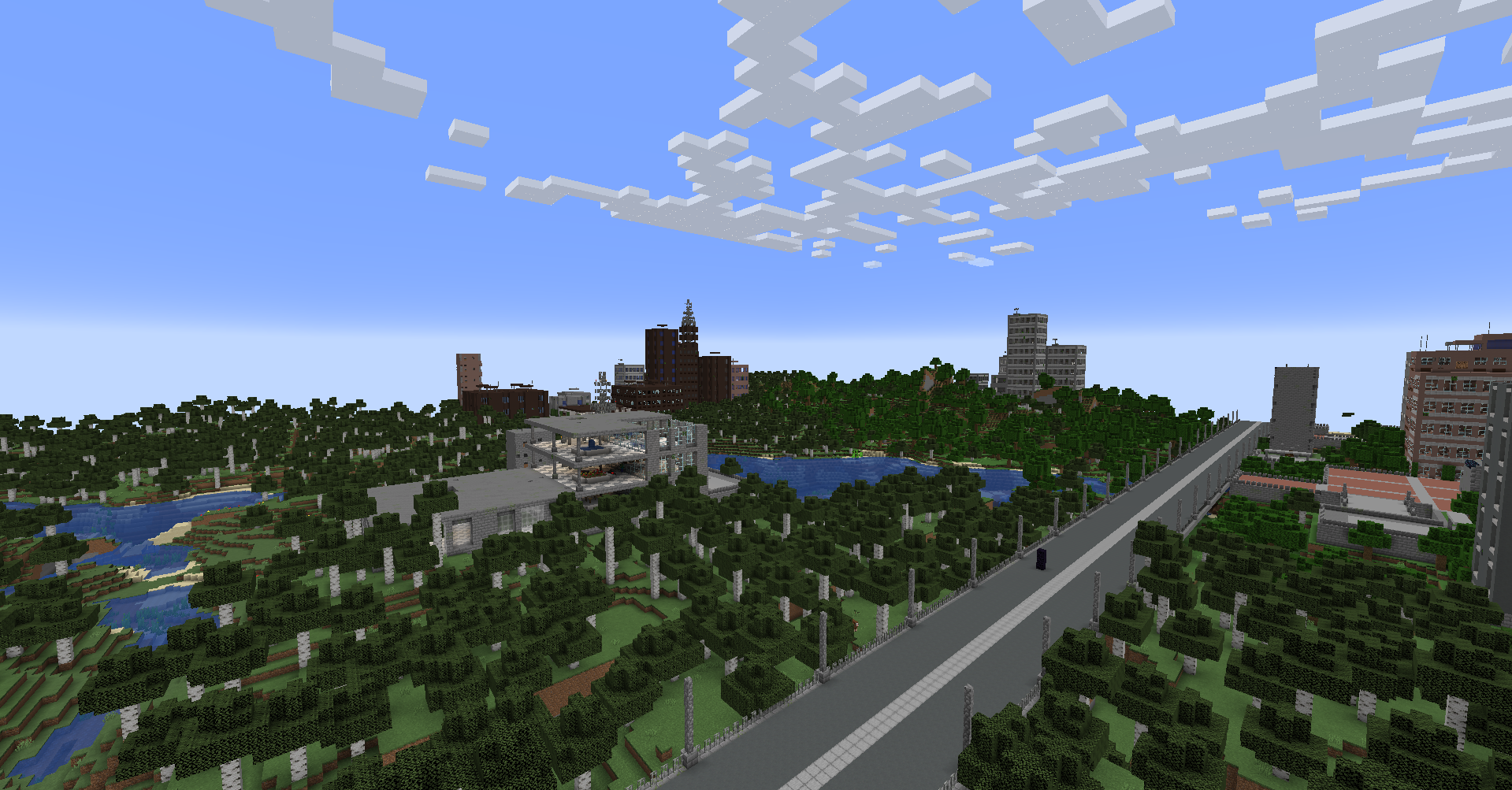
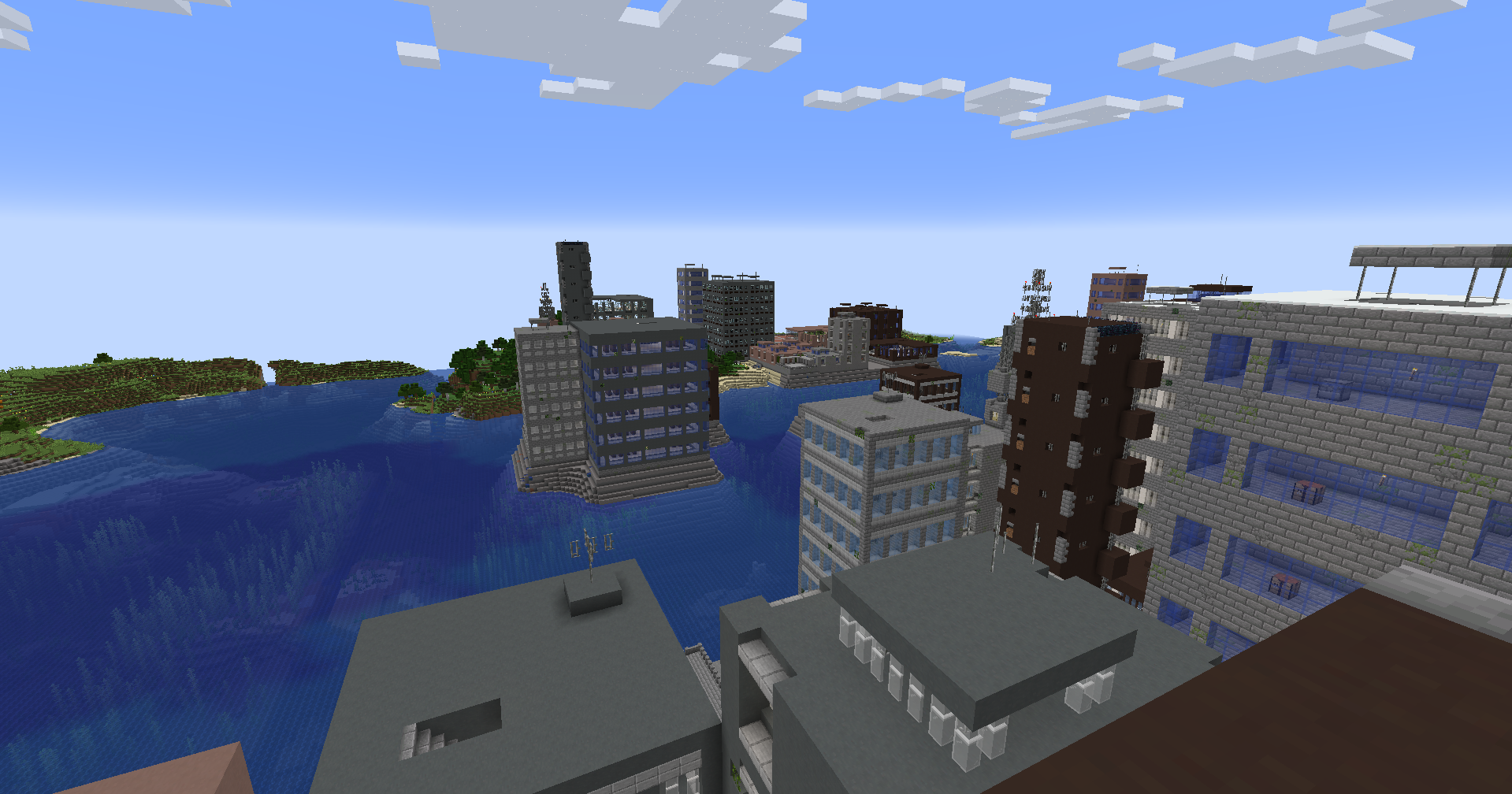
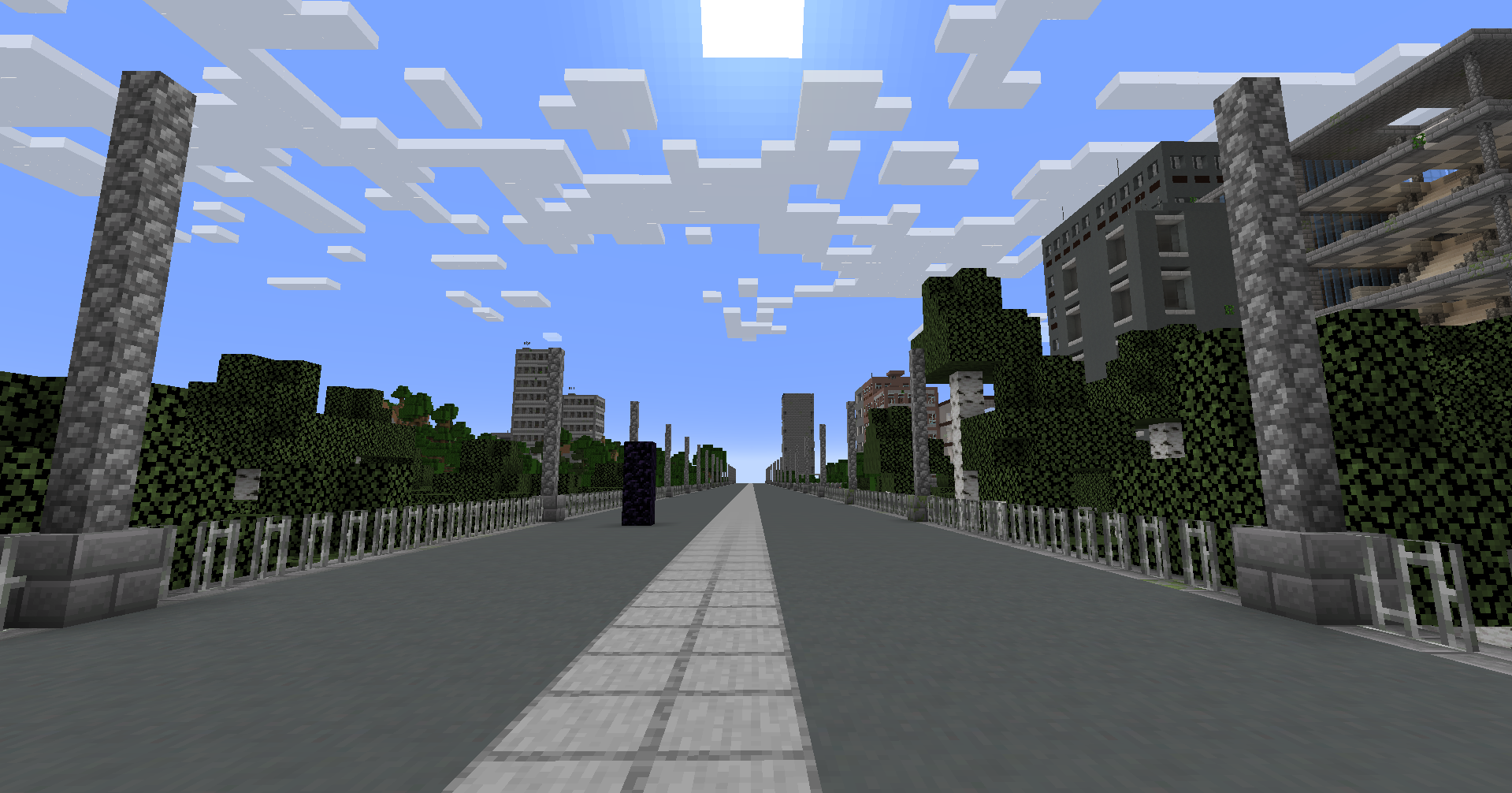
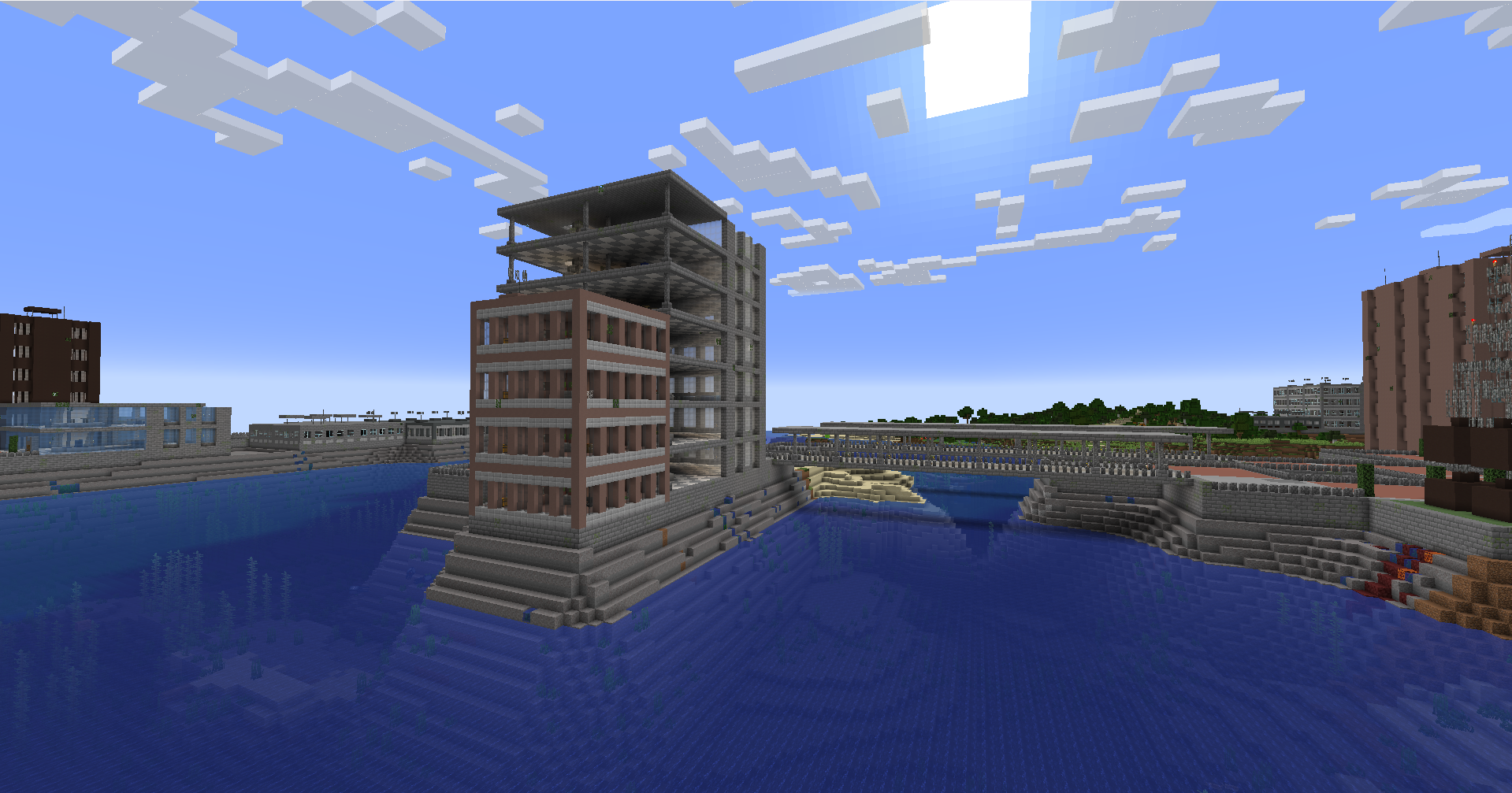
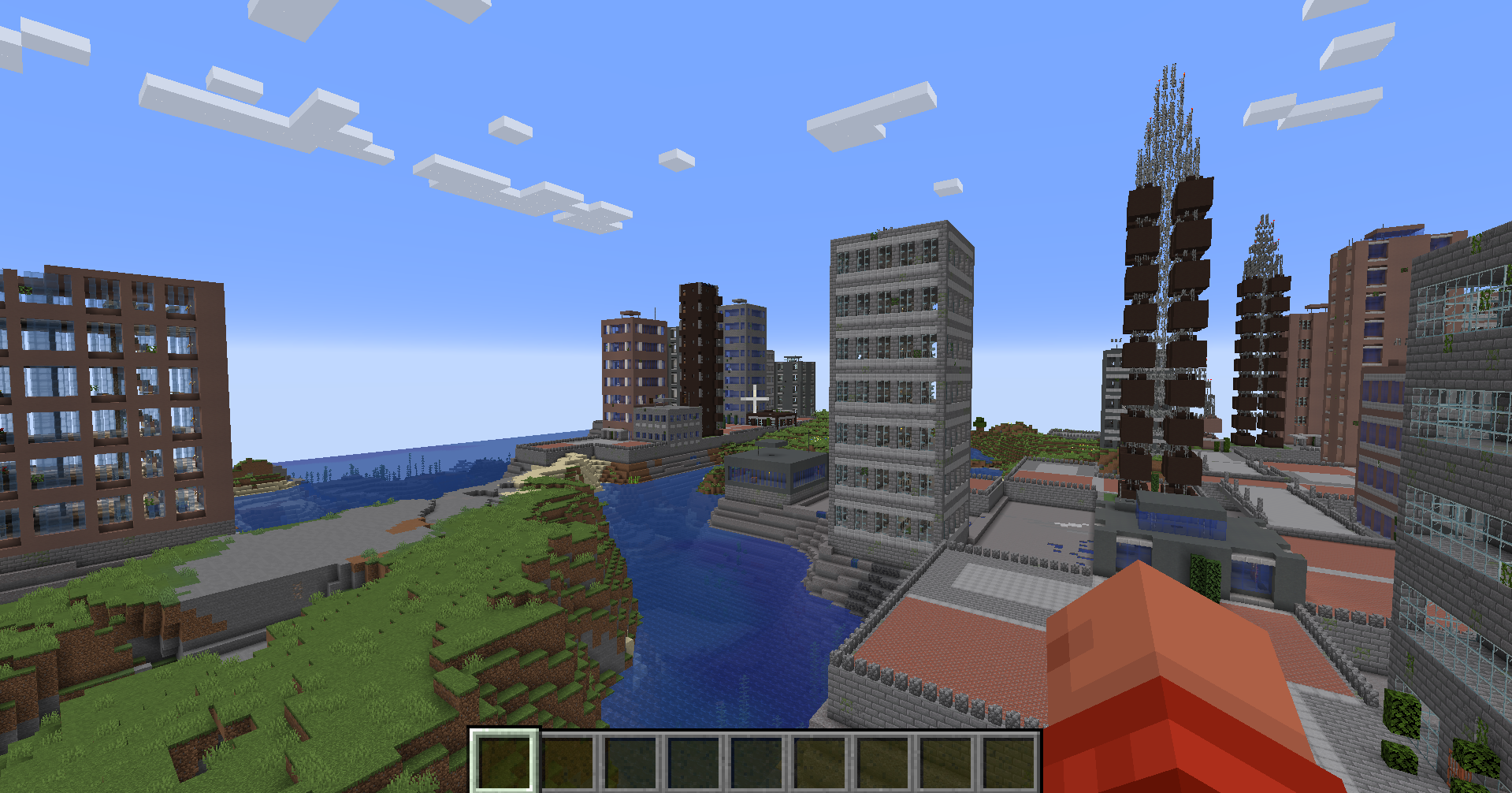
The Lost Cities Fabric Port brings McJty’s Lost Cities world generator to Fabric, transforming the Overworld into an abandoned cityscape or letting you choose a less frequent, more unusual style of city generation. Its 17 profiles range from classic, rare, continuous megacity and tall-building layouts to jungle-reclaimed ruins, wasteland, underground cavern cities, floating-island cities, glass spheres in the void, biospheres and drowned Atlantis. Generated city districts include buildings and rubble alongside streets, highways, bridges, railways, monorails, corridors, spheres and scattered structures; settings can also avoid villages and other structures. The default profile places occasional cities among ordinary terrain, while options such as onlycities create a continuous megacity, rarecities leaves mostly wilderness, and ancient covers heavily ruined buildings with jungle growth and rubble. Players can choose a profile when creating a world, and datapacks can add or customize buildings, building parts, palettes, city styles, conditions, variants, world styles and multibuildings spanning 2×2 or 3×3 chunks. Twelve in-game commands support mapping and locating city content as well as creating, editing and exporting custom building assets; most are authoring tools rather than routine gameplay commands. This is a loader port of the original mod rather than a new implementation, so the generator and datapacks retain the original content and behavior, while the Fabric version registers no custom blocks or items and can run on a dedicated server that vanilla clients join.
Written from Modrinth and the GitHub README . How we write it
In-game changes
Changes the game's code in 1 area: Server and world logicChanges 1 game code file in this area: the world, commands, scoreboards, saved data and game rules..
Adds 1 dimension: Lostcity; 2 loot tables.
Counted from the names and data files in the mod, so the list may not be complete.
Keeps all of vanilla Minecraft's textures, models and sounds.
Details
- Creator
- Sunshainy
- License
- MIT License
- Downloads
- 18K
- Created
- 26 Jan 2026
- Official pages
- Modrinth , CurseForge
- Links
- Source code
Security
No harmful code found
We checked its files and read their code, without running it.
What it can do on your computer
- Creates settings files
- The mod keeps its settings in the config folder of your game, where you can change or delete them.
Why we show this: a mod runs on your computer like any program, so harmful code in it can take your accounts or files. Our checks look for known signs of harm. They cannot prove that a file is harmless. In the grade: malware means no grade, and a Warning in a latest file for a recent Minecraft version lowers it.
How we checked
- FilesWe download the files from Modrinth or CurseForge and look at what is inside them and what their code can do, without running them. Fixed rules tell what is harmful.10 latest files: the newest file for each Minecraft version and loader. The answer above is about the 5 for recent versions. Recent versions: those released in the last 2 years, plus 1.20.1 and 1.21.1, among the most played in modpacks. See each file in Releases
- Their codeWe turn the code of the files back into readable code and follow what it does, without running it. This shows what it downloads, what it sends and where your login goes.Read without running it
- Author on ModrinthThe disclosure form on Modrinth, where the author declares that the project reads or edits things on your system outside the game. Since 13 Aug 2026, Modrinth's rules require it when this applies.Nothing declared about your system outside the game.
- Looked for, not foundWe looked for these in the file and did not find them.The internet, folders outside the game, other programs, updating itself, the webcam or microphone, an AI service.
Privacy
We found nothing it sends
We read its code without running it: it contacts no web address while you play.
Why we show this: a mod can send things about you over the internet, like your player name or your login. Contacting an address to check for updates or download files sends nothing about you. Not in the grade: sending data can be normal for what a mod does.
How we checked
- Files readWe read the code without running it. We list each web address the code contacts while you play, and what it sends. Code that is never used is left out.The code of all 5 files, for recent Minecraft versions. See each file in Releases
- Author on ModrinthThe disclosure form on Modrinth, where the author declares crash reports, usage data and advertisements. Since 13 Aug 2026, Modrinth's rules require it when a project collects data on its users or shows advertisements.Nothing declared about crash reports, usage data or advertisements.
AI
No sign so far that AI was used to make it
We looked for AI tools in its texts, files and images and found none.
We have not read its code history yet.
No sign of AI in the game
We found no AI service, AI library or AI model file in its code.
Why we show this: some players and servers avoid projects made with AI, and AI in the game can send what you write to an online service. Not in the grade: using AI does not tell whether a project works well or is kept up to date.
How we checked
- Author on ModrinthThe disclosure form on Modrinth. Since 13 Aug 2026, Modrinth's rules require it when a substantial part of the code is AI output, when an asset is mainly AI output, or when the project or its page relies on generative AI.No AI content or AI features declared.
- Code historyThe public code on GitHub: who made each change, credit lines such as "Co-authored-by", and its files.Not read yet
- Description and changelogsThe description, project page and newest changelogs: sentences saying an AI tool was used, and text pasted from an AI chat.Nothing found13 of 27 changelogs read
- Its filesFiles that AI coding tools leave behind (like AGENTS.md), and the texts inside the files you download.Nothing found
- Images in its filesHidden data in the images of the files you download, where AI image tools write their name and settings.Nothing found18 images read
- Code of the modThe code and files of the mod, read without running it: addresses of AI services, AI libraries, AI model files and a place for your own AI key.No AI service, AI library or AI model file322 code files read
Compatibility
See all 29 filesPoint at or tap a version to see its loaders.

Modpacks using this project
Find modpacks with itModpacks that include The lost cities in at least one of their versions, most downloaded first.

Latest files
The newest file for each Minecraft version and loader. The files for recent versions come first. Recent versions: those released in the last 2 years, plus 1.20.1 and 1.21.1, among the most played in modpacks.
29 releases
Quick fixes
In the last 2 years, 1 release needed a quick fix: a new release within 3 days to fix a problem. This counts in the grade, but it is too few to lose points.
See them, newest first
Quick fixesReleases followed within 3 days by a new release that fixes a problem in them.1
- 0.7.0-betaFixed config initialization, when you select a config and enter…