
The Speedrunner Mod
ModSpeedrunner gear helps you move faster and finish your runs sooner.
Why no grade
How grades workFinished or replaced projects get no grade: they will not get fixes or new versions.
- Archived on Modrinth.
- The project page: This project has been discontinued.
All 11 criteria
Maintenance
Last releaseHow long ago the newest file came out, or an existing file was marked as working on a new Minecraft version.8 days ago (16 Oct 2026)Supports popular versionsWhether the project has a file for a Minecraft version that 15% or more of the popular mods updated in the last 6 months also support. A version many modpacks use, like 1.20.1 or 1.21.1, also counts after a release in the last 12 months.26.3 on Fabric (latest)Regular releasesIn how many of the last 24 months a new file came out. Full points at 8 months.Releases in 13 of the last 24 monthsStability
Removed from modpacksHow many modpacks removed it in a later version of the pack. We can only see this in modpacks with two or more versions. A pack that swaps it for another edition of the same project, or that is rebuilt from scratch, does not count.Not measured yet.Quick fixesHow often a release needed a quick fix: a new release within 3 days to fix a problem in it.8 of its 30 releases in 2 years needed a quick fix (27%)Known conflictsHow many projects say they do not work with it, compared with how widely it is used. Packs, small projects, forks, ports, add-ons, alternatives and old versions do not count.NoneTransparency
Source codeWhether the project page links to its source code, so anyone can read what it does.GitHub · Dillon8775/Speedrunner-ModPlace to report problemsWhether the project page links to a place where players can report problems: an issue tracker.GitHub issues · Dillon8775/Speedrunner-ModPopularity
DownloadsDownloads on Modrinth and CurseForge. Full points from 5 million.56,447Track record
AgeHow long the project has existed. It counts less when no new file came out recently.5.6 years, 135 releasesSecurity
PassedFile checksThis check adds no points. It can only take points away.Our checks found nothing harmful in all 11 latest files for recent Minecraft versions. See Security
Images


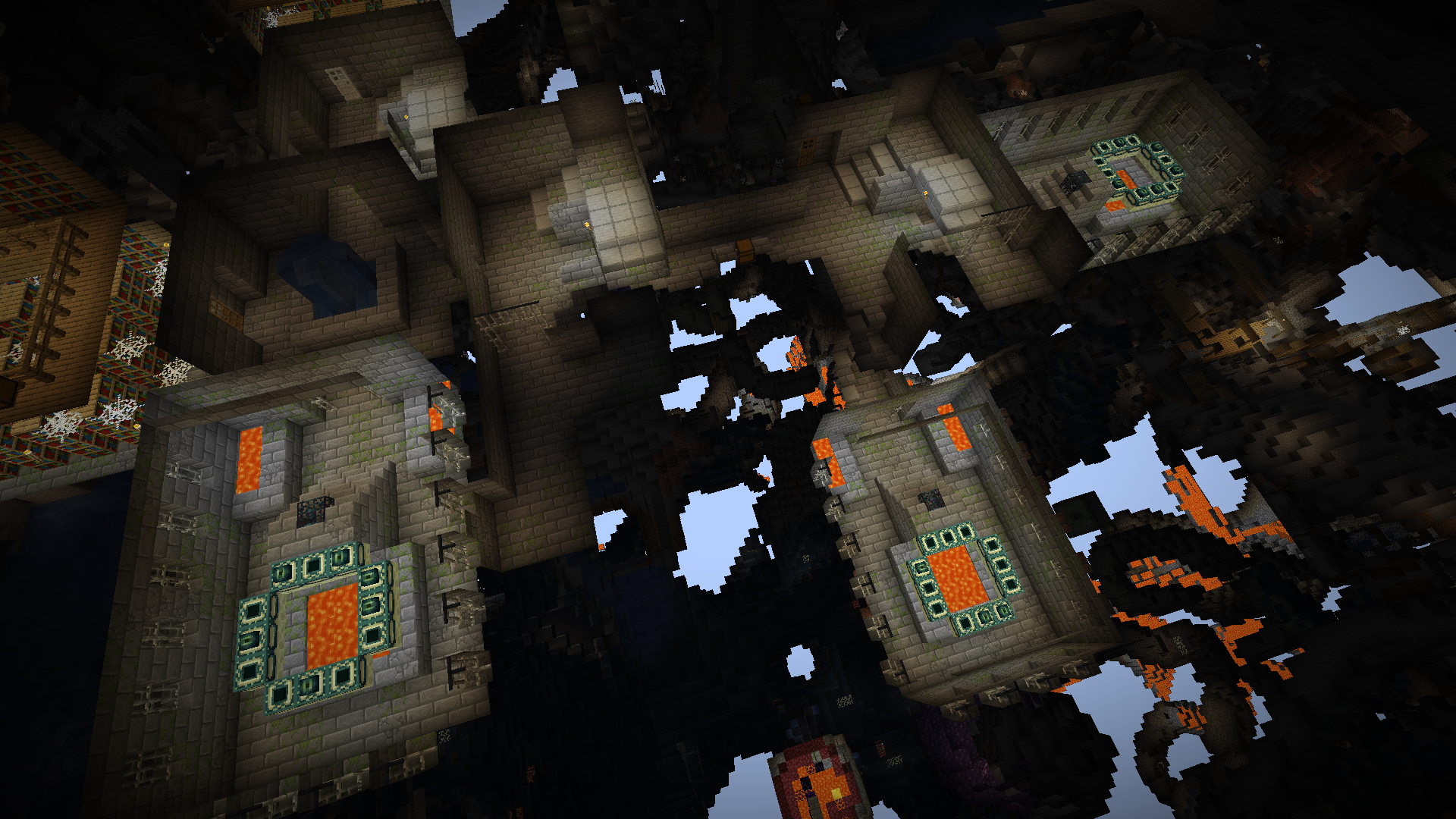

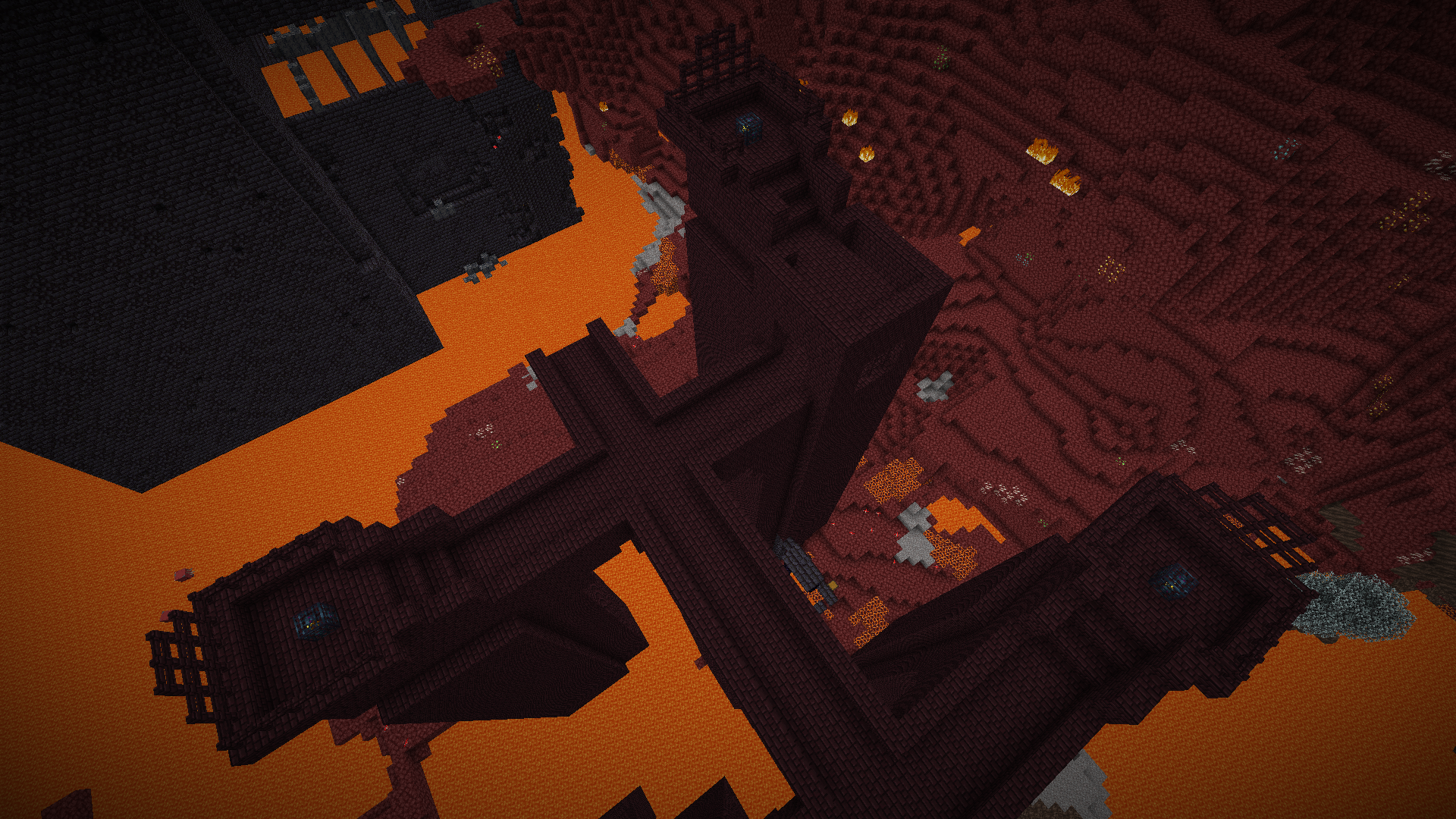
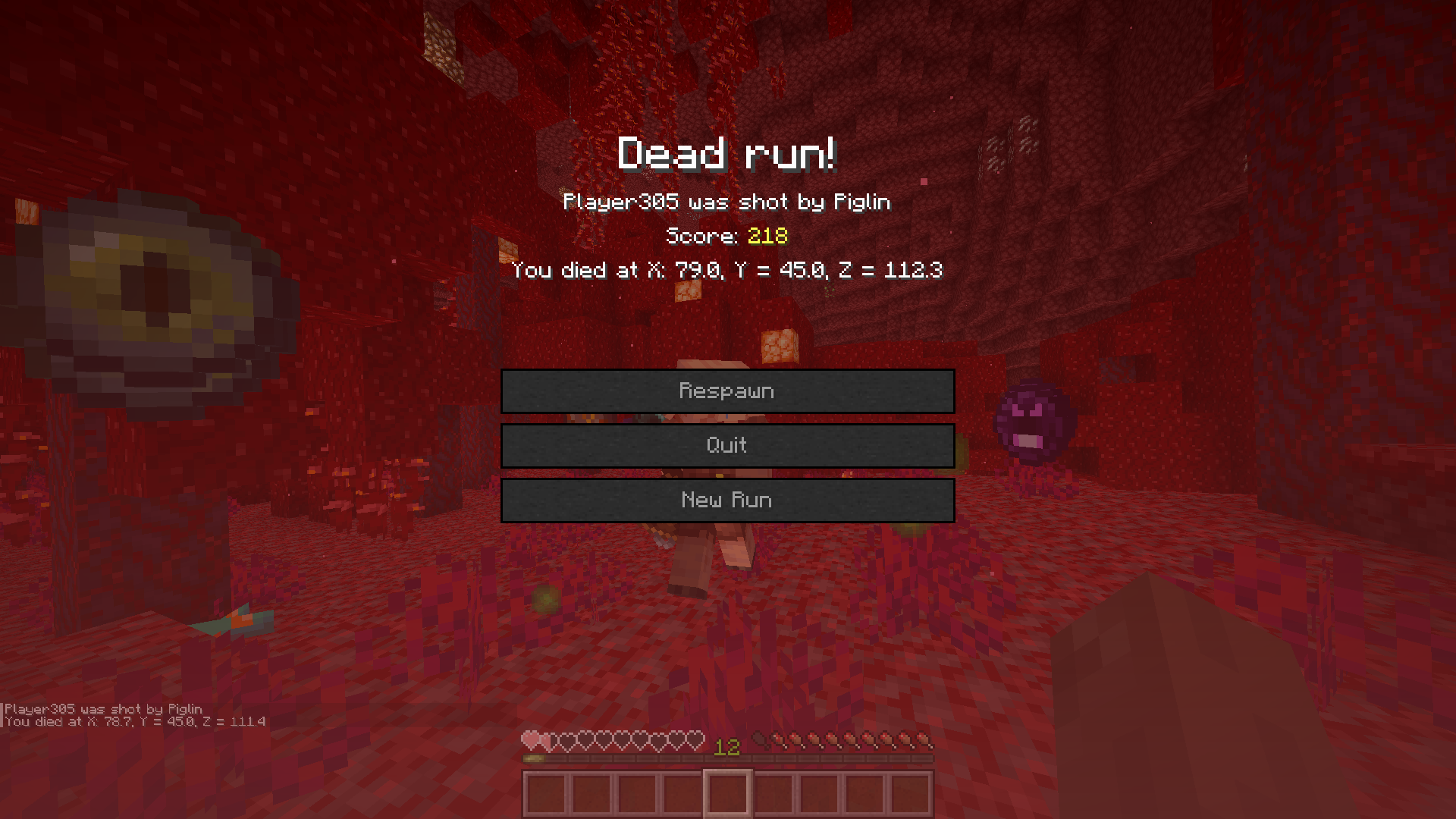
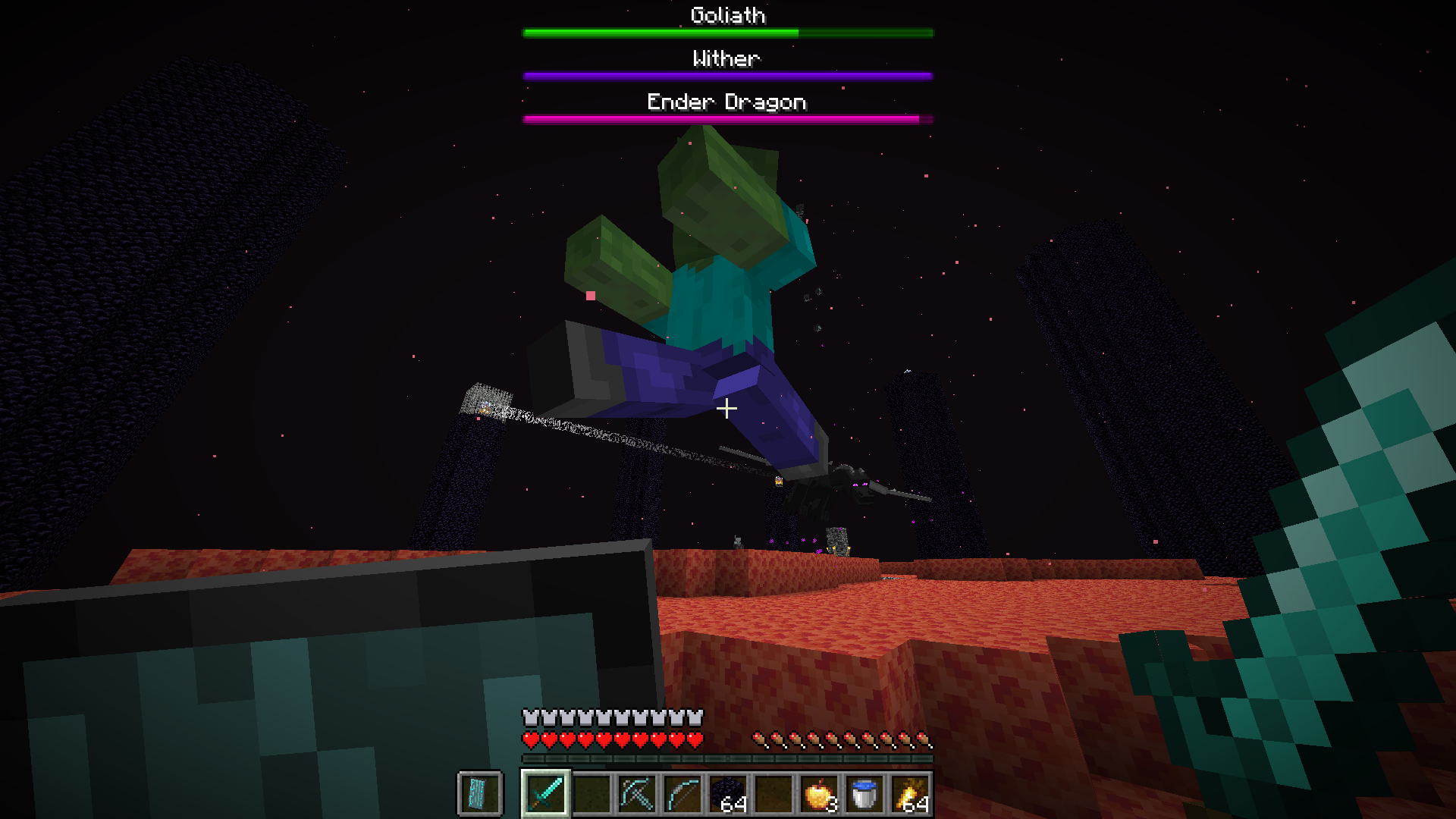


About
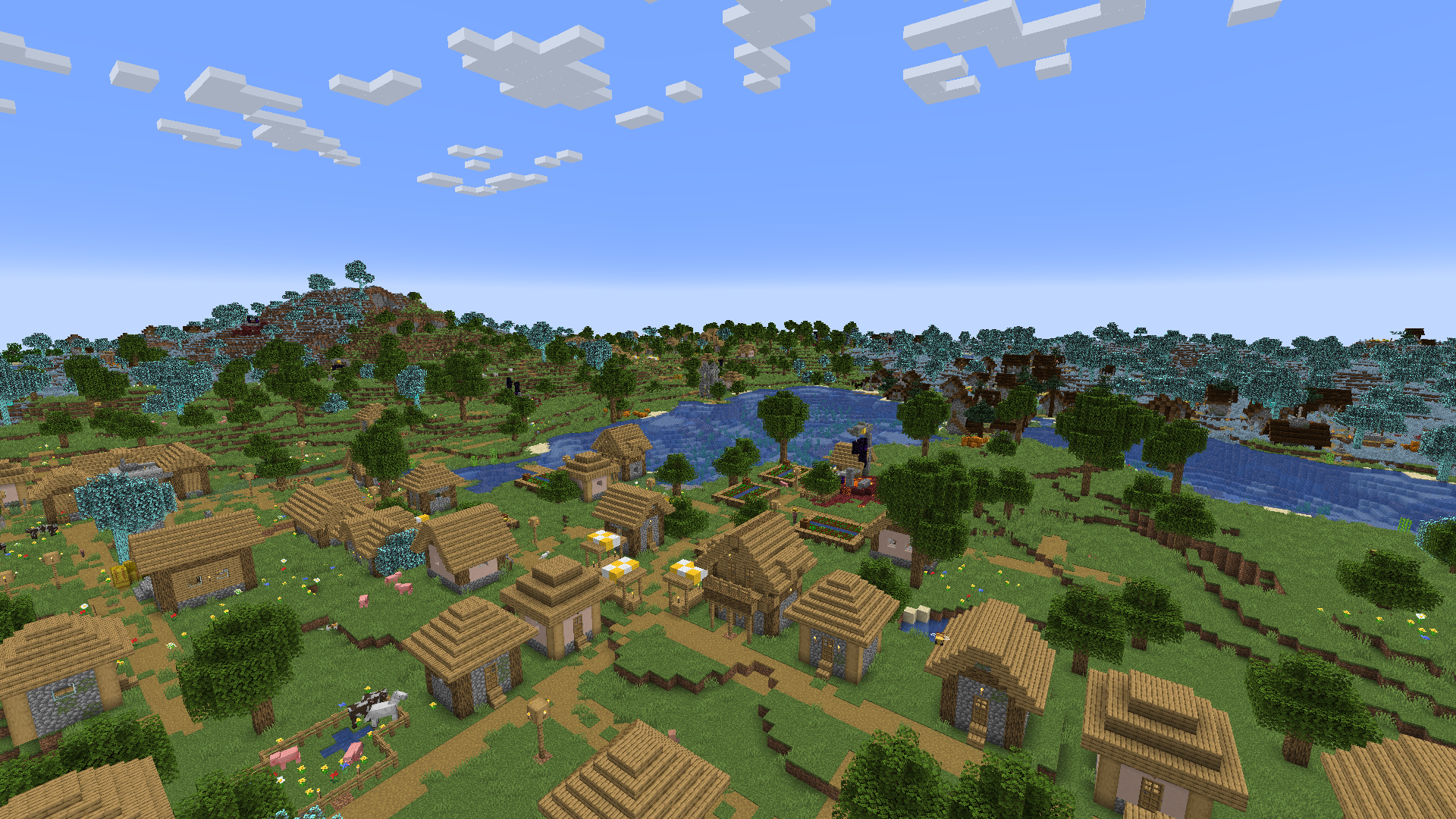
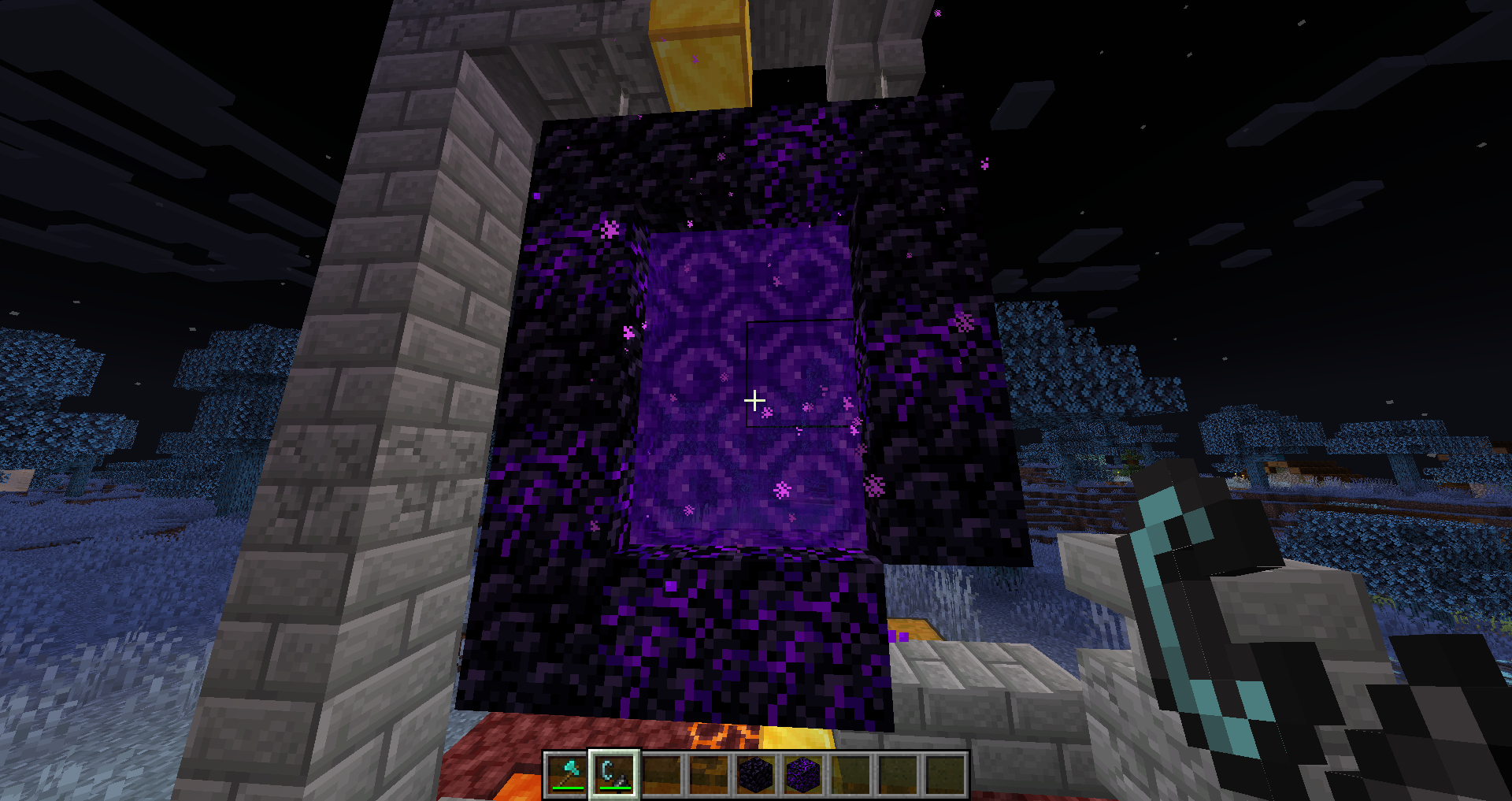
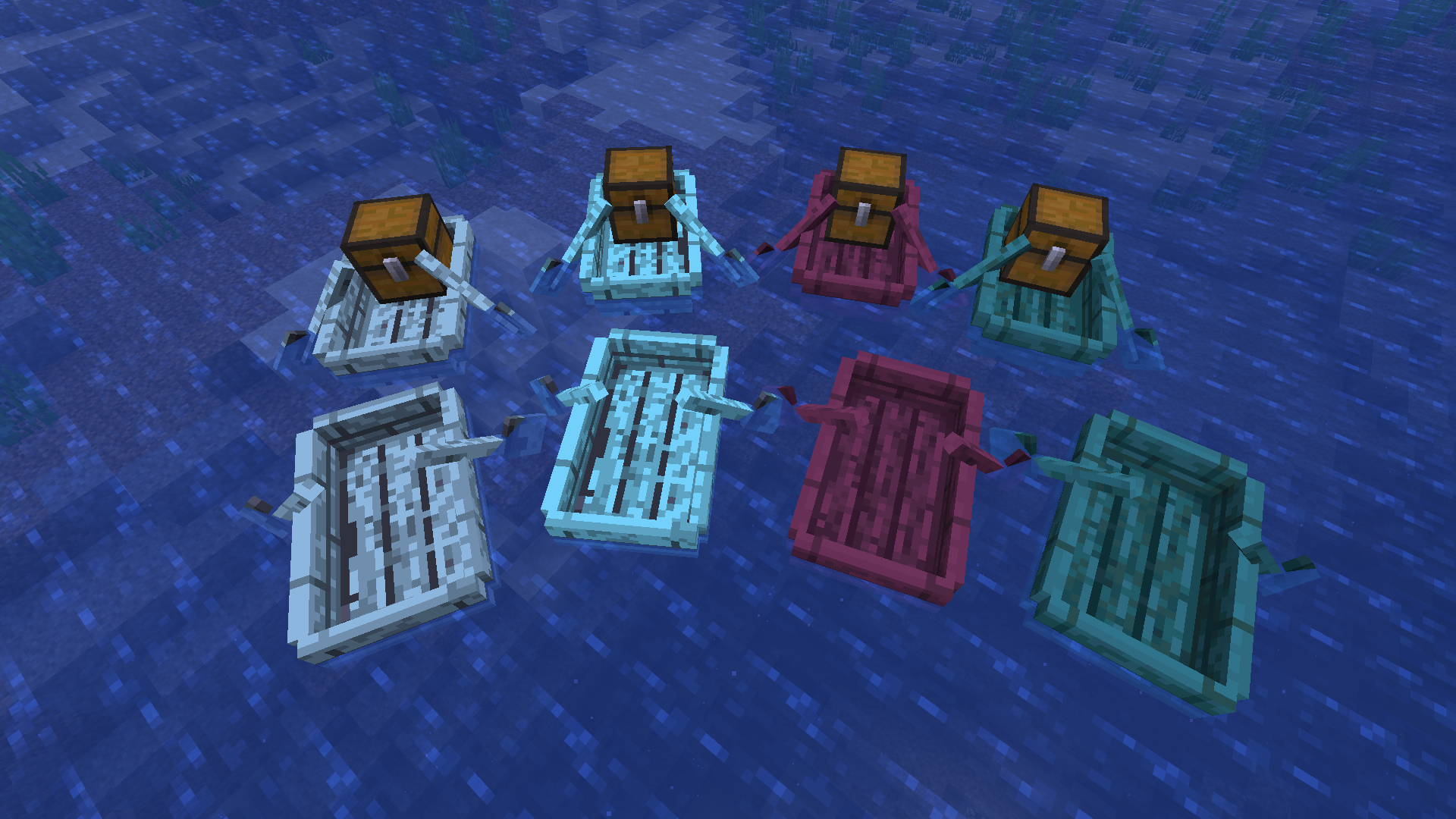
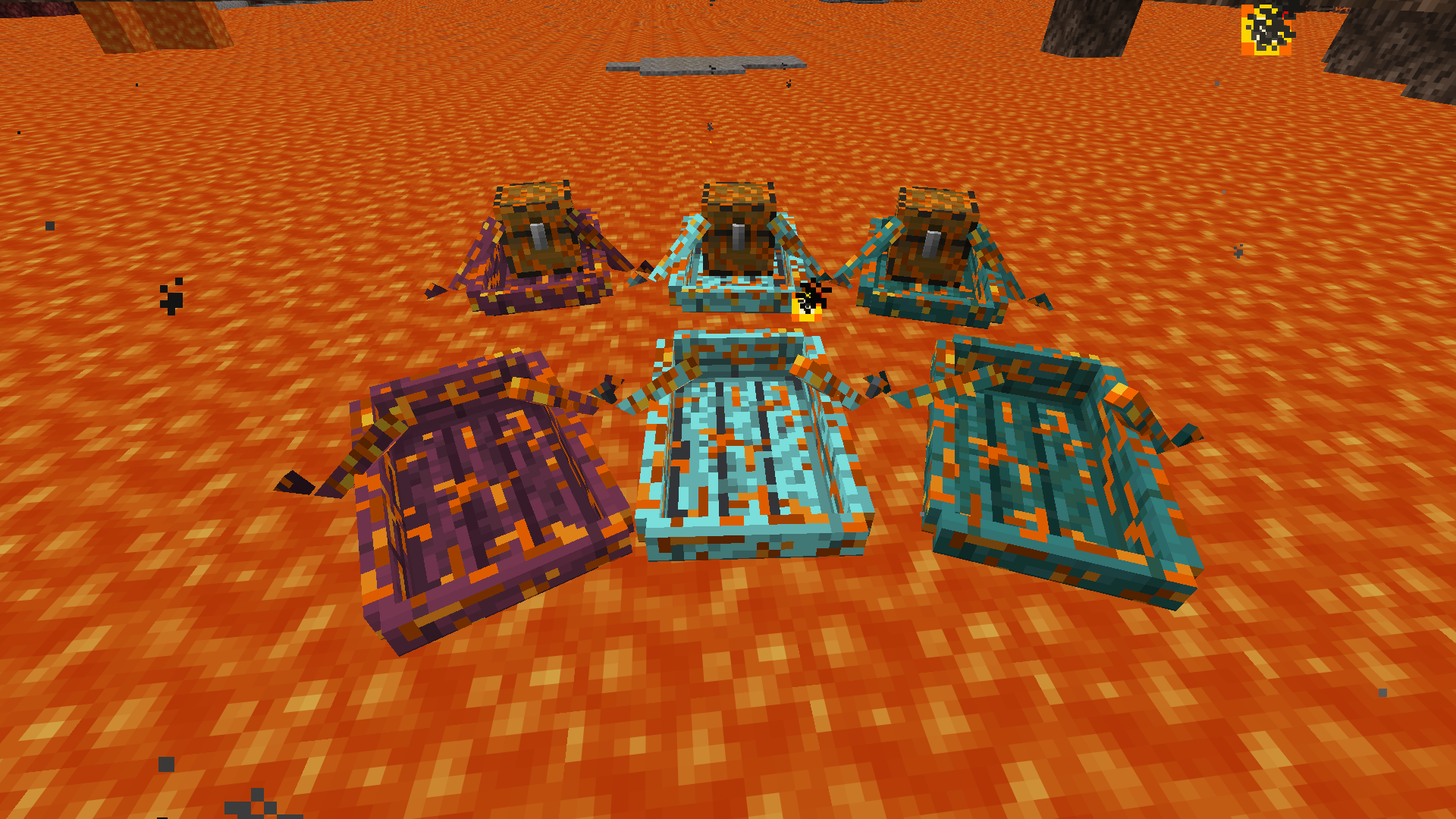
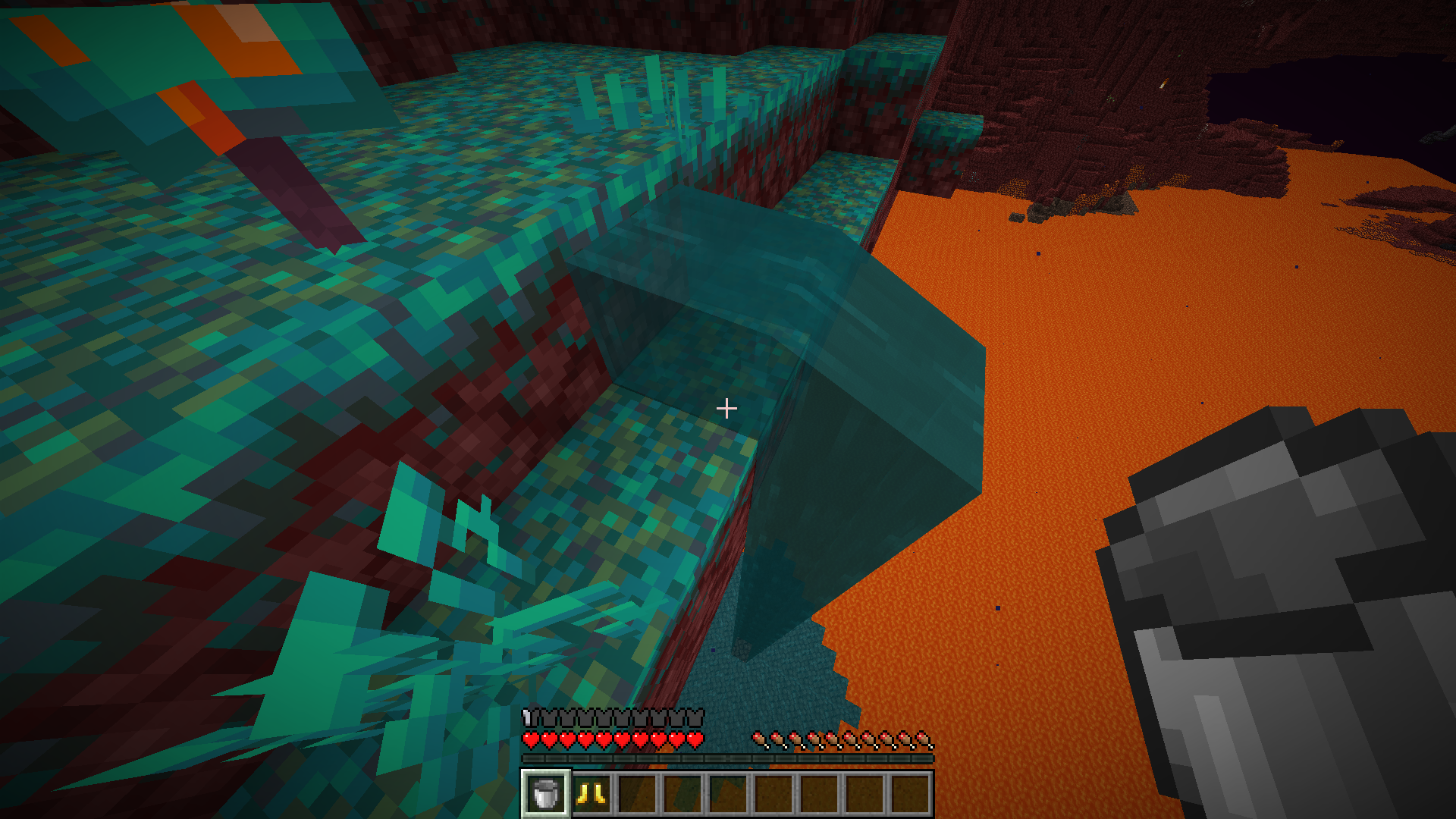
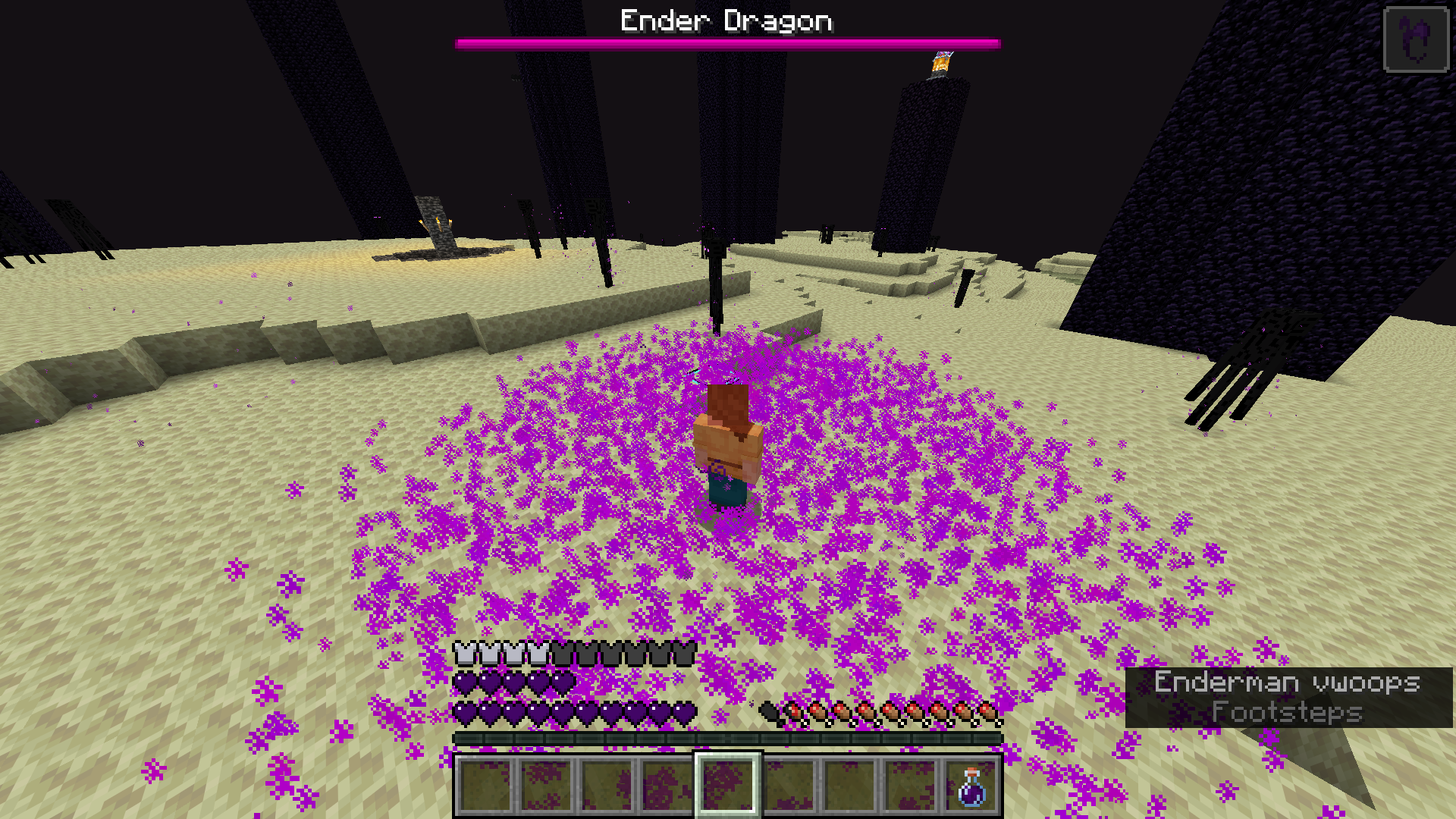
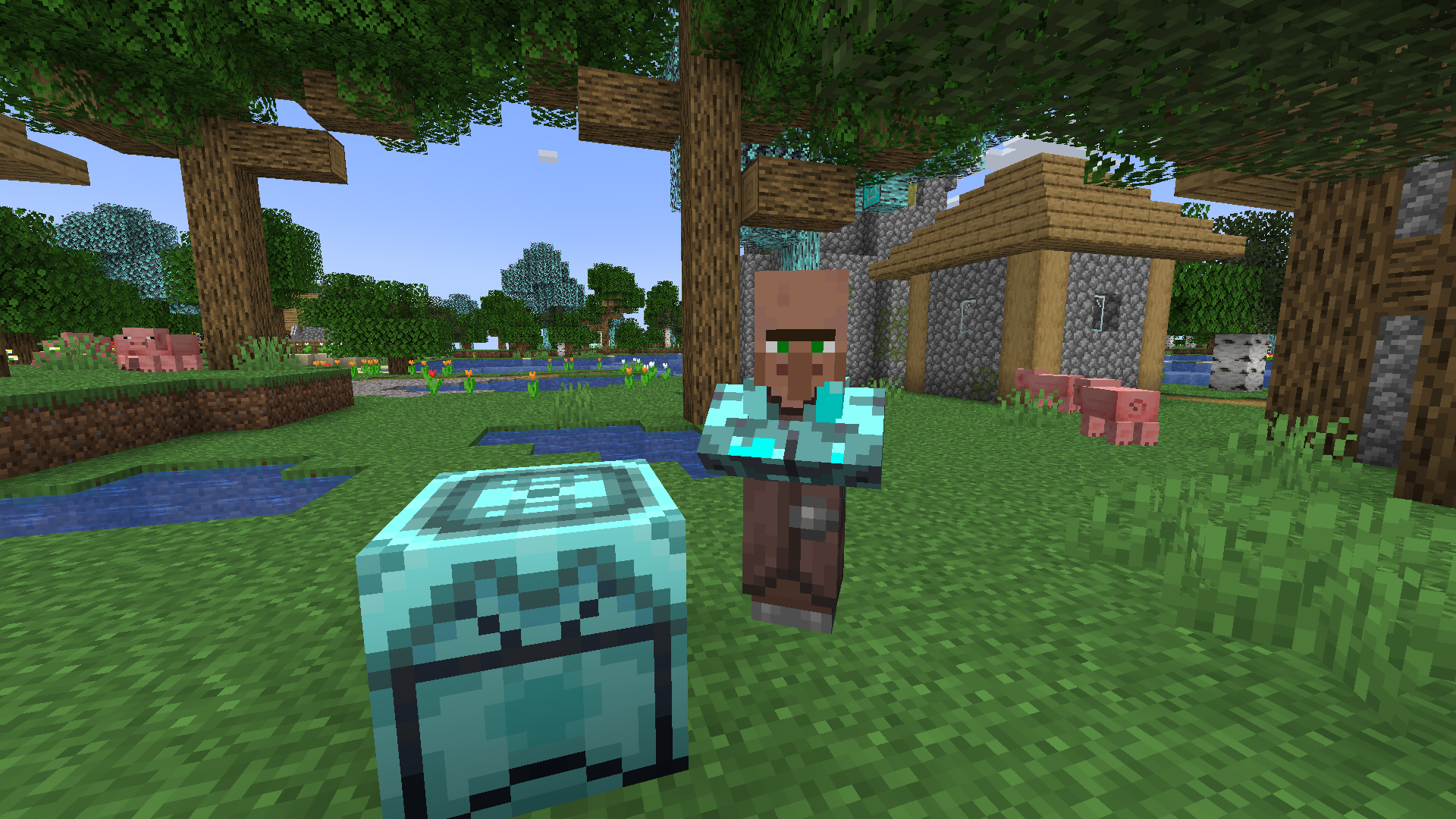
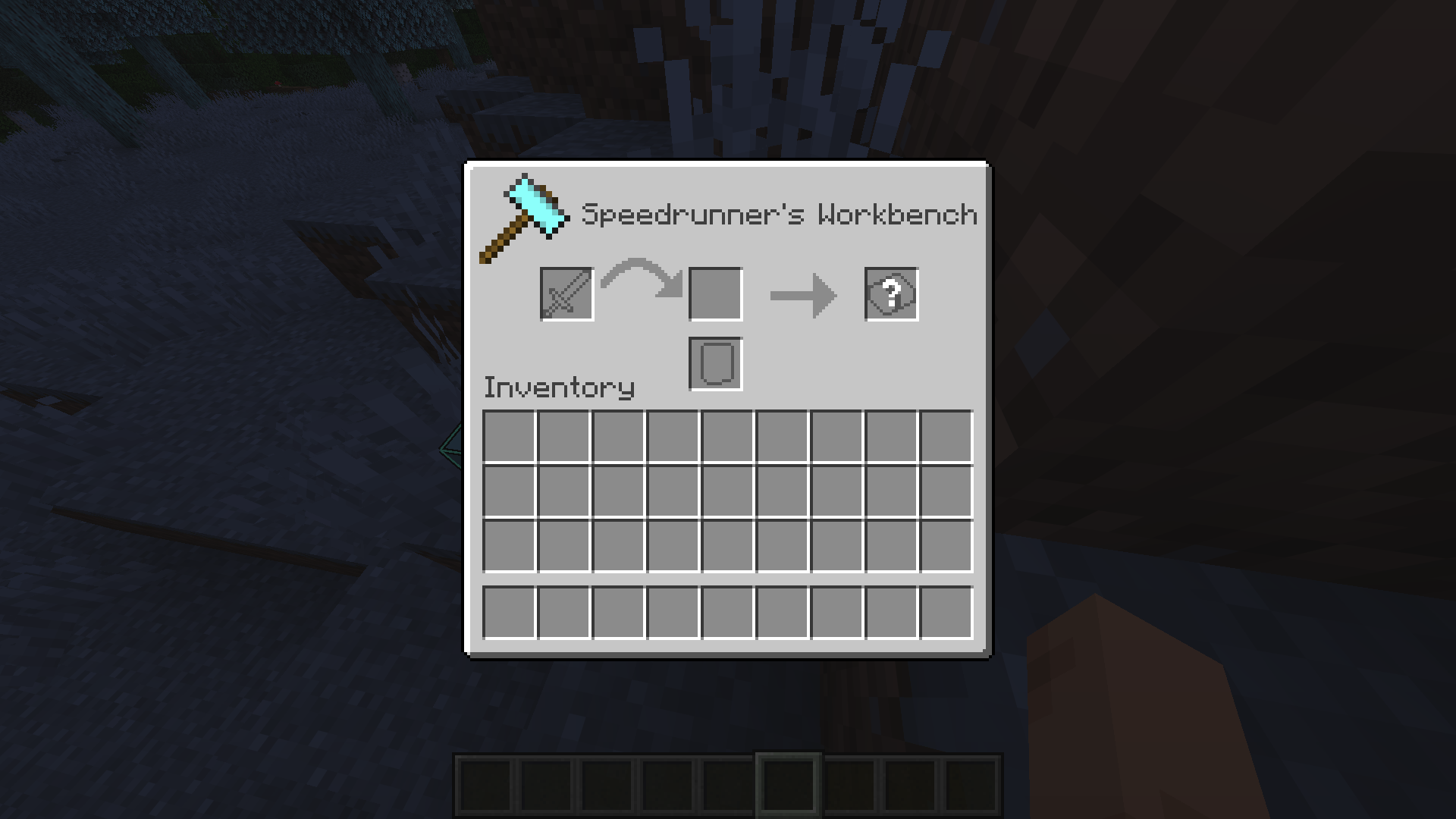
The Speedrunner Mod reshapes Minecraft around faster speedrun attempts, adding powerful gear, shortcuts to key locations, and configurable world-generation and gameplay changes. Its speedrunner materials produce tools, armor, and weapons that mine or perform faster than vanilla equivalents, alongside quicker boats, fireproof boats, and armor with special buffs. Exploration is streamlined by the Speedrunner’s Wasteland, where ores and endermen are more common and other mobs are less frequent, while plains, deserts, and savannas can also generate more often; structures and loot are generally more plentiful. Strongholds are smaller and can contain multiple portal rooms, while nether fortresses can have multiple blaze spawners; players can configure structure spawn rates and stronghold layout and spacing. Special items help navigate or bypass stages of a run: the Speedrunner’s Eye gives the distance to overworld structures, the Eye of Inferno points to fortresses or bastions, the Eye of Annul teleports to a stronghold portal room, and the Ender Thruster returns the player to the surface. Other additions include experience ores, stronger food effects, more generous mob drops, water placement in the Nether, and tools such as the Speedrunner’s Workbench for transferring enchantments at the cost of experience and some durability. Players can choose among three modes: Easy enables all features, Balanced disables some powerful items and altered fortress and stronghold generation, and Doom turns the game into a much harder challenge. In Doom mode, tougher and faster mobs and more dangerous combat culminate in an End fight against an enhanced Ender Dragon, a Wither, and Goliath, a Giant that must be defeated before the dragon can die. The mod also includes practical speedrun-oriented conveniences such as a world-reset option, death coordinates, and configurable settings for features including biome frequency, block-breaking speed, and fall damage.
Written from Modrinth . How we write it
In-game changes
Changes the game's code in 13 areas: Mobs and their behaviorChanges 60 game code files in this area: mobs, animals, villagers, projectiles and how they move and act., Inventory and itemsChanges 24 game code files in this area: items, chests and other containers, crafting and enchanting., Blocks and fluidsChanges 17 game code files in this area: how blocks, fluids and redstone work., User interfaceChanges 12 game code files in this area: menus, screens, tooltips, the chat window and the in-game overlay., World generationChanges 10 game code files in this area: terrain, biomes and structures made when new land is created., Rendering and graphicsChanges 8 game code files in this area: drawing mobs, items, particles and textures on screen., Server and world logicChanges 4 game code files in this area: the world, commands, scoreboards, saved data and game rules., PlayerChanges 3 game code files in this area: your character: movement, abilities, hunger and controls., Game coreChanges 3 game code files in this area: the main loop, lighting and other code the whole game uses., Game data and resourcesChanges 3 game code files in this area: recipes, tags, advancements, language files and other game data., Game optionsChanges 2 game code files in this area: settings, key bindings and the option screens., World renderingChanges 2 game code files in this area: drawing the terrain, sky, clouds and weather. and Networking and multiplayerChanges 1 game code file in this area: connections, the server list and what is sent between your game and a server..
Libraries packed inside it change 19 more game code files: Terraform Wood API (v1),  TerraBlender and KumaAPI.
Adds 48 blocks, 71 items, 8 boats, 1 biome, 3 enchantments, 180 recipes, 52 advancements, 1 loot table, 3 sounds and 12 key bindings.
Counted from the names and data files in the mod, so the list may not be complete.
Replaces 159 of vanilla Minecraft's loot tables, 43 recipes, 7 interface textures, 4 structures and 1 text file.
Details
- Creators
- Dillon8775 and mannyqueso
- License
- All rights reserved
- Downloads
- 56K
- Created
- 1 Mar 2021
- Official pages
- Modrinth , CurseForge
- Links
- Source code
Security
No harmful code found
We checked its files and read their code, without running it.
What it can do on your computer
- Creates settings files
- The mod keeps its settings in the config folder of your game, where you can change or delete them. 2 files in your config folder.
- Can download and run new code
- The same part of the code can download data and run it as code. Auto-updaters do this, and so does malware. Only in its files for Fabric 1.21.3 to 26.1.2.Not a Warning: we read its code and found no code downloaded over http or run without a check.
- Accepts connections from other computers
- It can accept connections from other computers. Only in its files for Fabric 1.21.3 to 26.1.2.
- Connects to the internet
- It has code that can go online, for example to check for updates, load skins or send crash reports. Only in its files for Fabric 1.21 to 26.1.2. See Privacy
Why we show this: a mod runs on your computer like any program, so harmful code in it can take your accounts or files. Our checks look for known signs of harm. They cannot prove that a file is harmless. In the grade: malware means no grade, and a Warning in a latest file for a recent Minecraft version lowers it.
How we checked
- FilesWe download the files from Modrinth or CurseForge and look at what is inside them and what their code can do, without running them. Fixed rules tell what is harmful.28 latest files: the newest file for each Minecraft version and loader. The answer above is about the 11 for recent versions. Recent versions: those released in the last 2 years, plus 1.20.1 and 1.21.1, among the most played in modpacks. See each file in Releases
- Their codeWe turn the code of the files back into readable code and follow what it does, without running it. This shows what it downloads, what it sends and where your login goes.Read without running it
- Author on ModrinthThe disclosure form on Modrinth, where the author declares that the project reads or edits things on your system outside the game. Since 13 Aug 2026, Modrinth's rules require it when this applies.Nothing declared about your system outside the game.
- Looked for, not foundWe looked for these in the file and did not find them.Folders outside the game, other programs, updating itself, the webcam or microphone, an AI service.
Privacy
We found nothing it sends
We read its code without running it: it contacts no web address while you play.
Why we show this: a mod can send things about you over the internet, like your player name or your login. Contacting an address to check for updates or download files sends nothing about you. Not in the grade: sending data can be normal for what a mod does.
How we checked
- Files readWe read the code without running it. We list each web address the code contacts while you play, and what it sends. Code that is never used is left out.The code of all 11 files, for recent Minecraft versions. See each file in Releases
- Author on ModrinthThe disclosure form on Modrinth, where the author declares crash reports, usage data and advertisements. Since 13 Aug 2026, Modrinth's rules require it when a project collects data on its users or shows advertisements.Nothing declared about crash reports, usage data or advertisements.
AI
No sign so far that AI was used to make it
We looked for AI tools in its texts, files and images and found none.
We have not read its code history yet.
No sign of AI in the game
We found no AI service, AI library or AI model file in its code.
Why we show this: some players and servers avoid projects made with AI, and AI in the game can send what you write to an online service. Not in the grade: using AI does not tell whether a project works well or is kept up to date.
How we checked
- Author on ModrinthThe disclosure form on Modrinth. Since 13 Aug 2026, Modrinth's rules require it when a substantial part of the code is AI output, when an asset is mainly AI output, or when the project or its page relies on generative AI.No AI content or AI features declared.
- Code historyThe public code on GitHub: who made each change, credit lines such as "Co-authored-by", and its files.Not read yet
- Description and changelogsThe description, project page and newest changelogs: sentences saying an AI tool was used, and text pasted from an AI chat.Nothing found4 of 40 changelogs read
- Its filesFiles that AI coding tools leave behind (like AGENTS.md), and the texts inside the files you download.Nothing found
- Images in its filesHidden data in the images of the files you download, where AI image tools write their name and settings.Nothing found312 images read
- Code of the modThe code and files of the mod, read without running it: addresses of AI services, AI libraries, AI model files and a place for your own AI key.No AI service, AI library or AI model file463 code files read
Compatibility
See all 135 filesPoint at or tap a version to see its loaders.






Modpacks using this project
No known modpack uses it.
Latest files
The newest file for each Minecraft version and loader. The files for recent versions come first. Recent versions: those released in the last 2 years, plus 1.20.1 and 1.21.1, among the most played in modpacks.